
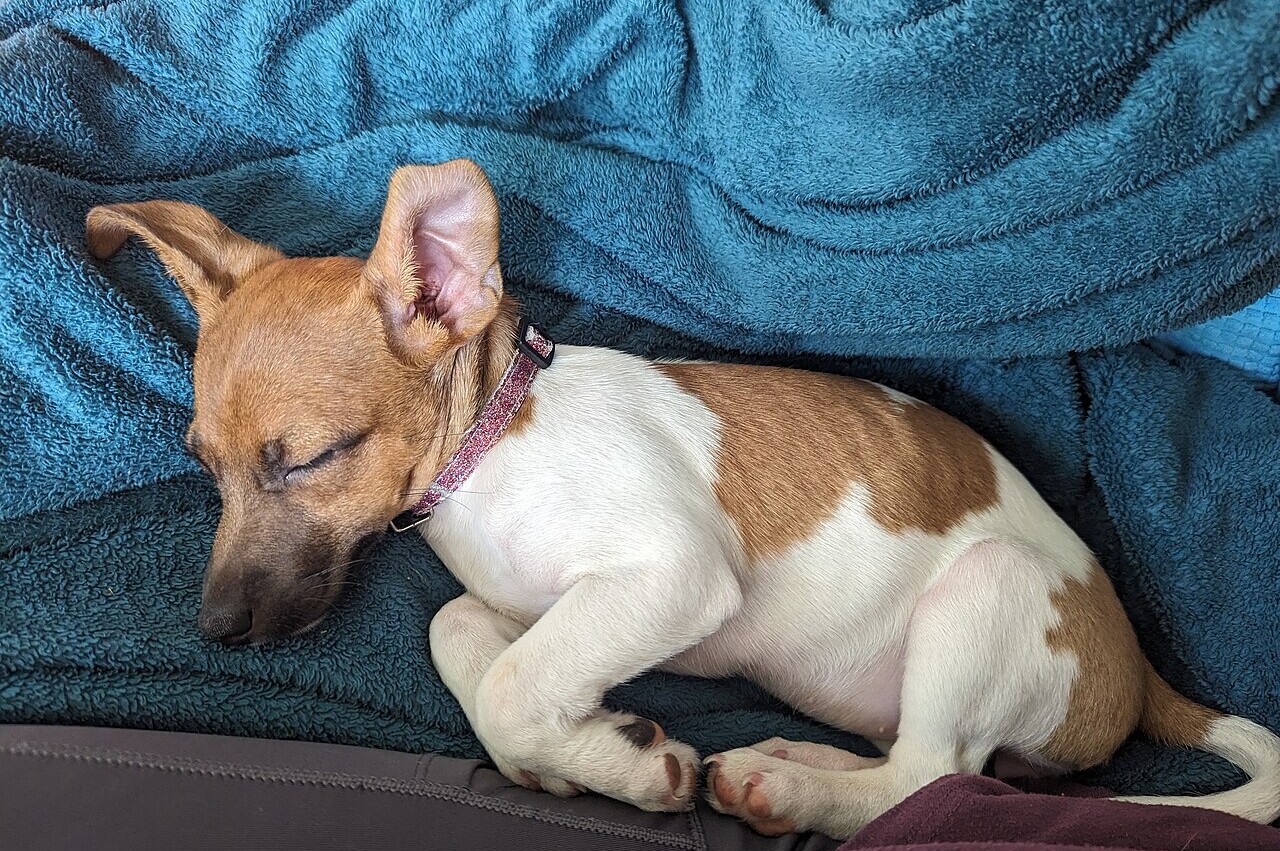
Not all dogs cost the same to insure — and the difference isn't small. The cheapest dog breeds to insure in Australia cost around $27–$40 per month, while the most expensive sit at $98–$110. Same insurer, same city, same cover level. The only variable is the breed.
If you're choosing a dog and budget matters (or you already own a low-risk breed and want confirmation that insurance won't break the bank), this guide ranks every breed we've priced from cheapest to most expensive — with the real numbers behind each one.
We scraped actual quotes from major Australian pet insurers in March 2026. No "from $1 a day" marketing claims. Just real prices for real dogs.
Last updated: March 2026
The Full Ranking: Cheapest to Most Expensive Dog Breeds to Insure
All quotes are for desexed male dogs aged 2–3, in Sydney (postcode 2000), using entry-level comprehensive plans. We've used the cheapest available provider for each breed as the baseline — in most cases, that's Budget Direct.
Dog Breeds Ranked by Insurance Cost (Entry-Level Monthly Premiums)
| Rank | Breed | Cheapest Monthly Premium | Provider | Why They're Cheap/Expensive |
|---|---|---|---|---|
| 1 | Cocker Spaniel | ~$27/mo | Budget Direct | Moderate health profile, mid-size, low claim frequency |
| 2 | Groodle | ~$29/mo | Budget Direct | Hybrid vigour, fewer inherited conditions, healthy crossbreed |
| 3 | Beagle | ~$40/mo | Budget Direct | Small-medium, robust build, fewer genetic conditions |
| 4 | Maltese | ~$40/mo | Budget Direct | Tiny size = lower treatment costs, moderate genetic risk |
| 5 | Husky | ~$50/mo | Budget Direct | Medium-large, relatively healthy for a purebred |
| 6 | Border Collie | ~$55/mo | Budget Direct | Active breed, some genetic conditions but moderate claims |
| 7 | Dachshund | ~$59/mo | Pet Circle | IVDD risk lifts premiums above average for their size |
| 8 | Labrador | ~$80/mo | Budget Direct | Large size, some joint/cancer risk, high claim frequency |
| 9 | Staffordshire Bull Terrier | ~$85/mo | Budget Direct | Skin allergies, cruciate tears, medium-large size |
| 10 | Shih Tzu | ~$87/mo | Pet Circle | Brachycephalic loading, eye/breathing issues |
| 11 | Golden Retriever | ~$90/mo | Budget Direct | Cancer predisposition, large size, joint issues |
| 12 | German Shepherd | ~$90/mo | Budget Direct | Hip/elbow dysplasia, bloat risk, large breed |
| 13 | Cavalier King Charles Spaniel | ~$95/mo | Budget Direct | Heart disease (MVD), syringomyelia — near-certain claims |
| 14 | Pug | ~$95/mo | Budget Direct | Brachycephalic anatomy, eye/spine/skin issues |
| 15 | French Bulldog | ~$98/mo | Budget Direct | Highest claim frequency, BOAS, spinal, skin, eyes |
| 16 | Rottweiler | ~$110/mo | Budget Direct | Cancer risk, large size, joint and heart conditions |
⚠️ Premiums are for entry-level comprehensive plans (lowest excess/limit combo) for desexed males aged 2–3 in Sydney. Your actual quote will vary by age, location, sex, and desexing status. Always get a personalised quote.
The Price Gap at a Glance
The cheapest breed (Cocker Spaniel at ~$27/mo) costs 75% less than the most expensive (Rottweiler at ~$110/mo). Over a 12-year lifespan, that's roughly $3,900 vs $15,840 in entry-level premiums — a difference of almost $12,000.
Even within the "cheap" bracket, the savings are meaningful. A Cocker Spaniel owner saves roughly $5,000 over a decade compared to a Labrador owner, just on insurance.
The 6 Cheapest Dog Breeds to Insure in Australia
1. Cocker Spaniel — From ~$27/month
The cheapest purebred dog to insure in Australia.
Cocker Spaniels sit at the very bottom of the insurance cost ladder, and for good reason. They're a medium-sized breed (13–15kg) with a relatively moderate health profile. While they're prone to ear infections and some eye conditions, neither generates the kind of catastrophic veterinary bills that drive premiums sky-high.
Why they're so cheap to insure:
- Medium size means moderate surgical and medication costs
- Ear infections ($200–$400 per episode) are frequent but inexpensive to treat
- Eye conditions exist but are less common than in brachycephalic breeds
- Lower claim frequency compared to breeds with structural health problems
- No major breed-specific conditions requiring ongoing expensive treatment
What to watch for: Ear infections are the most common claim. Some Cockers develop progressive retinal atrophy (PRA) or cataracts, but these are less frequent than the health issues plaguing breeds higher on the cost list.
Annual insurance cost: ~$324/year at entry level — that's less than a single emergency vet visit.
📖 Full breakdown: Best Pet Insurance for Cocker Spaniels
2. Groodle (Goldendoodle) — From ~$29/month
Hybrid vigour makes crossbreeds cheaper to insure — and Groodles prove it.
Groodles (Golden Retriever × Poodle) are the poster child for why crossbreeds cost less to insure than purebreds. Despite both parent breeds having some genetic health risks (Golden Retrievers are cancer-prone, Poodles can develop hip dysplasia), the genetic diversity from crossing two breeds significantly reduces the likelihood of inherited conditions.
Why they're so cheap to insure:
- Hybrid vigour reduces inherited condition risk compared to purebred parents
- Medium-large size but remarkably healthy overall
- Low claim frequency — Groodle owners visit the vet less often than most purebred owners
- No breed-specific conditions that generate massive bills
- Insurers reward the lower actuarial risk with lower premiums
What to watch for: Hip dysplasia can still occur (inherited from both parent breeds), and ear infections are common due to their floppy, hairy ears. But these are manageable conditions — nothing like the BOAS surgery, cancer, or heart disease that plague the expensive breeds.
Annual insurance cost: ~$348/year — making insurance an easy financial decision for Groodle owners.
📖 Full breakdown: Best Pet Insurance for Groodles
3. Beagle — From ~$40/month
A hardy, robust breed with few expensive genetic conditions.
Beagles are one of those breeds that seem to have dodged the worst of the purebred health lottery. They're small-to-medium sized (10–14kg), structurally sound, and don't suffer from the kind of breed-defining conditions that drive premiums through the roof.
Why they're cheap to insure:
- Compact, well-proportioned build — no structural extremes
- Fewer serious genetic conditions than most purebreds
- Small-medium size keeps surgical and medication costs down
- Long lifespan (12–15 years) with relatively stable health through middle age
- Lower claim severity — most Beagle conditions are manageable
What to watch for: Ear infections (those floppy ears trap moisture), epilepsy (manageable with medication at ~$50–$100/month), and cherry eye (surgical correction ~$500–$1,500). None are budget-breakers in the context of pet insurance.
Annual insurance cost: ~$480/year — solidly affordable for a purebred.
📖 Full breakdown: Best Pet Insurance for Beagles
4. Maltese — From ~$40/month
Tiny size means tiny vet bills — and tiny premiums.
Maltese are one of the cheapest breeds to insure for a simple reason: they're small. A 3–4kg dog requires less anaesthesia, smaller medication doses, shorter surgery times, and less hospitalisation space than a 40kg Rottweiler. Even when Maltese do need treatment, the bills are a fraction of what large-breed owners face.
Why they're cheap to insure:
- Very small size (3–4kg) dramatically reduces treatment costs across the board
- Long lifespan (12–15 years) with gradual, predictable health decline
- Most common conditions (dental disease, luxating patella) are relatively inexpensive
- Lower anaesthetic and surgical costs due to size
- Moderate claim frequency
What to watch for: Dental disease is the big one — Maltese have crowded mouths and almost all need dental work as they age ($500–$1,500 per dental procedure). Luxating patella (dislocating kneecap) affects around 20% of small breeds, with surgery costing $1,500–$3,000 per knee if severe. But compared to a $12,000 cancer surgery on a Rottweiler? Still cheap.
Annual insurance cost: ~$480/year — comparable to Beagles despite different risk profiles.
📖 Full breakdown: Best Pet Insurance for Maltese
5. Husky — From ~$50/month
A larger breed that's surprisingly affordable to insure.
Huskies are the biggest dog in our "cheap to insure" bracket, typically weighing 20–30kg. Despite their medium-large size, they benefit from being a working breed that was bred for function rather than appearance — meaning fewer extreme anatomical features and fewer structural health problems.
Why they're relatively cheap to insure:
- Bred for function (endurance, cold weather) rather than appearance
- No brachycephalic issues, fewer structural extremes
- Generally robust and healthy through middle age
- Autoimmune conditions exist but are less common than the headline health issues of expensive breeds
- Lower claim severity than similarly-sized breeds like German Shepherds
What to watch for: Autoimmune conditions (including zinc-responsive dermatosis), eye conditions (cataracts, progressive retinal atrophy), and hip dysplasia. These can be expensive individually ($2,000–$8,000) but occur at lower rates than the conditions driving premiums for German Shepherds or Rottweilers.
Annual insurance cost: ~$600/year — a step up from the smallest breeds but well below the $1,000+/year territory of expensive breeds.
📖 Full breakdown: Best Pet Insurance for Huskies
6. Border Collie — From ~$55/month
Intelligence and athleticism keep this working breed relatively affordable.
Border Collies are another breed where function-driven breeding pays dividends for insurance costs. They're medium-sized (15–20kg), athletic, and generally well-built. While they have some breed-specific conditions, these tend to be manageable rather than catastrophic.
Why they're relatively cheap to insure:
- Medium size keeps treatment costs moderate
- Bred for working ability, not extreme appearance
- Athletic build with fewer structural joint issues than larger breeds
- Genetic conditions exist but are less frequent and less severe than high-cost breeds
- Long lifespan (12–15 years) with good health through middle age
What to watch for: Epilepsy (similar to Beagles — manageable with medication), eye conditions (Collie eye anomaly, cataracts), and hip dysplasia. The most expensive potential condition is epilepsy management over a lifetime, but monthly medication costs ($50–$100) are unlikely to exceed insurance payouts.
Annual insurance cost: ~$660/year — the top end of "affordable" and the bridge to the mid-range breeds.
📖 Full breakdown: Best Pet Insurance for Border Collies
What Makes a Dog Breed Cheap to Insure?
Insurers set premiums based on actuarial data — real claims history showing how much each breed costs to treat. Three factors consistently separate the cheap breeds from the expensive ones:
1. Fewer Breed-Specific Genetic Conditions
The cheapest breeds simply have fewer known inherited health problems. Compare a Beagle's health profile (ear infections, occasional epilepsy) to a French Bulldog's (BOAS, IVDD, skin allergies, eye prolapse, heat stress) — the number and severity of conditions directly drives the premium.
Crossbreeds like Groodles benefit doubly here. Hybrid vigour — the genetic advantage of mixing two different breeds — reduces the probability of inheriting the worst conditions from either parent. It's why Groodles cost $29/month despite both their parent breeds being in the $80–$90/month range.
2. Smaller Body Size
Everything costs more for bigger dogs. Anaesthesia is dosed by weight. Surgical time scales with body size. Medication costs more for larger doses. Hospitalisation takes more space and resources.
A cruciate ligament repair on a 4kg Maltese might cost $2,000. The same surgery on a 45kg Rottweiler could hit $8,000. Same procedure — dramatically different bill. This size factor is why the cheapest-to-insure list is dominated by small and medium breeds, while the most expensive list is full of large breeds.
3. Lower Claim Frequency
Some breeds simply visit the vet less often. Groodles, Beagles, and Border Collies are generally healthy dogs that don't generate frequent claims. French Bulldogs, Pugs, and Cavalier King Charles Spaniels visit the vet constantly — not just for expensive conditions, but for the ongoing management of chronic breed-specific issues.
Claim frequency is arguably the biggest factor in premium calculation. A breed that costs $5,000 once in a lifetime is cheaper to insure than a breed that costs $1,000 four times a year, every year.
Cheap Breeds vs Expensive Breeds: The Lifetime Cost Difference
Insurance premiums compound over a dog's lifetime. Here's what the cheapest and most expensive breeds actually cost over 10–12 years of coverage:
| Breed | Monthly Premium | Annual Cost | 10-Year Total | 12-Year Total |
|---|---|---|---|---|
| Cocker Spaniel | ~$27/mo | ~$324 | $3,240 | $3,888 |
| Groodle | ~$29/mo | ~$348 | $3,480 | $4,176 |
| Beagle | ~$40/mo | ~$480 | $4,800 | $5,760 |
| Maltese | ~$40/mo | ~$480 | $4,800 | $5,760 |
| Labrador | ~$80/mo | ~$960 | $9,600 | $11,520 |
| French Bulldog | ~$98/mo | ~$1,176 | $11,760 | $14,112 |
| Rottweiler | ~$110/mo | ~$1,320 | $13,200 | $15,840 |
Entry-level premiums only. Actual costs increase with age — these are conservative baselines. All breeds experience age-related premium increases, typically 5–15% per year after age 4–5.
A Cocker Spaniel owner pays roughly $3,900 over 12 years. A Rottweiler owner pays roughly $15,800 — that's more than four times as much. The Cocker Spaniel premium is so low that even if you never make a claim, you've spent less than a single major surgery would cost.
Is Insurance Still Worth It for Cheap Breeds?
This is the real question. If your breed only costs $27–$40/month to insure, is it worth bothering? Or should you just put that money into a savings account?
The Case For Insurance (Even for Cheap Breeds)
Accidents don't care about breed genetics. A Cocker Spaniel hit by a car faces the same emergency surgery costs as any other dog — $5,000–$15,000+. Breed-specific premiums reflect genetic health risks, but accidents happen to every breed equally.
One bad year can wipe out years of savings. If you self-insure by saving $27/month, after two years you have $648. That covers one moderate vet bill. A single cruciate tear ($3,000–$5,000) or snake bite ($3,000–$8,000) would blow through a decade of savings.
The maths actually work better for cheap breeds. At $27/month, you're paying $324/year. A single claim for a $2,000 condition (after excess and benefit percentage) might return $1,200–$1,500 — nearly five years of premiums in a single payout.
The Case For Self-Insuring
Low premiums reflect low risk. If you're paying $27/month because your breed rarely generates expensive claims, the odds are in your favour for self-insuring. Over 12 years, you'd save roughly $3,900 by not having insurance.
Cheap breeds tend to have cheaper conditions. A Maltese with dental disease faces a $1,000 procedure — expensive, but not catastrophic. A Beagle with an ear infection costs $300–$400. You might never face a single bill that would justify years of premiums.
Our Take
For breeds under $40/month, insurance is genuinely optional — it comes down to your personal risk tolerance. If a surprise $5,000 vet bill would cause financial stress, insurance at $27–$40/month is an easy yes. If you have savings and could absorb that kind of bill, self-insuring is reasonable.
For breeds in the $50–$60/month range (Huskies, Border Collies, Dachshunds), we'd lean toward getting insurance. These breeds have enough potential for expensive conditions — autoimmune disease, epilepsy, IVDD — that the risk-reward balance tips toward coverage.
📖 Not sure if insurance is right for you? Read: Is Pet Insurance Worth It in Australia?
How to Get the Cheapest Possible Premium for Any Breed
Even within the cheapest breeds, there's room to save. Here's how:
1. Choose Budget Direct
Budget Direct is consistently the cheapest pet insurer in Australia — often 40–60% cheaper than competitors for equivalent cover. A Groodle costs $29/month with Budget Direct vs $71/month with Bow Wow Meow. That's $504/year in savings for the same breed.
📖 See our comparison: Cheapest Pet Insurance in Australia
2. Accept a Higher Excess
Moving from $100 to $200 excess with Budget Direct can save $5–$15/month depending on breed. For cheap breeds with low claim frequency, a higher excess makes even more sense — you're unlikely to make many claims, so reducing the monthly cost is the priority.
3. Start Young
A 1-year-old dog costs less to insure than a 5-year-old. For all breeds, starting early locks in lower premiums and — critically — ensures no pre-existing conditions are excluded. This matters even for cheap breeds: a Beagle diagnosed with epilepsy before getting insurance will have that condition permanently excluded.
4. Desex Your Dog
Most insurers offer lower premiums for desexed dogs. The difference is typically 5–15%, and it's factored into all the prices in this guide. Desexing also reduces certain health risks (mammary tumours, pyometra), which further reduces your claim likelihood.
5. Consider Accident-Only Cover
For the very cheapest breeds, accident-only plans can cut premiums by 50–70%. You'd lose coverage for illness (the genetic conditions), but you'd keep protection against the unpredictable stuff — car accidents, snake bites, foreign body ingestion. For a Cocker Spaniel or Groodle with few genetic risks, this can be a smart middle ground.
Frequently Asked Questions
What is the cheapest dog breed to insure in Australia?
The Cocker Spaniel is the cheapest dog breed to insure in Australia in 2026, with entry-level premiums starting at approximately $27/month with Budget Direct. Groodles (Golden Retriever × Poodle crosses) are a close second at ~$29/month. Both breeds benefit from moderate health profiles and lower claim frequencies compared to breeds with significant genetic health conditions.
Why are some dog breeds so much cheaper to insure than others?
Insurance premiums are based on actuarial claims data — how often a breed visits the vet, what conditions they develop, and how much treatment costs. Cheaper breeds tend to be smaller in size (lower treatment costs), have fewer breed-specific genetic conditions, and generate fewer and less expensive insurance claims. Crossbreeds like Groodles also benefit from hybrid vigour, which reduces inherited condition risk.
Are crossbreeds cheaper to insure than purebreds?
Generally, yes. Crossbreeds benefit from hybrid vigour — the genetic diversity from crossing two different breeds reduces the likelihood of inheriting breed-specific conditions from either parent. Groodles (Golden Retriever × Poodle) are a prime example: despite both parent breeds being in the $80–$90/month range individually, Groodles cost just $29/month to insure. However, not all crossbreeds are equal — a French Bulldog cross may still carry brachycephalic health risks.
Is pet insurance worth it for cheap breeds like Beagles or Maltese?
It depends on your risk tolerance. At $27–$40/month, insurance for cheap breeds is genuinely optional. The breeds are cheaper to insure because they have lower veterinary costs overall. However, accidents (car injuries, snake bites, foreign body ingestion) can happen to any breed and cost $5,000–$15,000+. If a surprise vet bill of that size would cause financial stress, insurance at $40/month is a small price for peace of mind.
How much does dog insurance cost per month in Australia by breed?
Based on our March 2026 data, entry-level monthly premiums range from approximately $27/month (Cocker Spaniel) to $110/month (Rottweiler). The cheapest bracket ($27–$55/month) includes Cocker Spaniels, Groodles, Beagles, Maltese, Huskies, and Border Collies. Mid-range breeds ($59–$90/month) include Dachshunds, Labradors, Staffies, Shih Tzus, Golden Retrievers, and German Shepherds. The most expensive bracket ($95–$110/month) includes Cavalier King Charles Spaniels, Pugs, French Bulldogs, and Rottweilers.
Which dog breeds have the fewest health problems?
Among popular Australian breeds, Groodles, Beagles, Border Collies, and Huskies tend to have fewer serious health issues. Groodles benefit from hybrid vigour, while Beagles and Border Collies are structurally sound breeds without extreme anatomical features. Working breeds generally fare better than breeds selected primarily for appearance. That said, no breed is immune to health problems — even the healthiest breeds can develop cancer, suffer injuries, or need emergency surgery.
Does choosing a cheap breed save money on vet bills overall?
Yes, significantly. The cheapest breeds to insure are cheap precisely because they generate lower lifetime veterinary costs. A Cocker Spaniel owner might spend $5,000–$10,000 on non-routine vet care over the dog's lifetime. A French Bulldog owner could easily spend $20,000–$50,000+. The insurance premium difference ($27/mo vs $98/mo) reflects a real difference in expected veterinary expenses. Choosing a healthier breed is one of the most effective ways to manage the total cost of dog ownership.
Can I reduce my premium further by choosing a higher excess?
Yes. Moving to a higher excess ($200–$500 instead of $0–$100) can reduce monthly premiums by 15–40%, depending on the provider and breed. For cheap breeds with low claim frequency, this is often a smart trade-off — you'll pay slightly more per claim but significantly less each month. For a Cocker Spaniel or Groodle where you may only claim once every few years, a higher excess makes strong financial sense.
The Bottom Line
The cheapest dog breeds to insure in Australia — Cocker Spaniels, Groodles, Beagles, Maltese, Huskies, and Border Collies — share three things in common: moderate-to-small size, fewer genetic health conditions, and lower claim frequencies. They're cheaper because they cost less to treat, and insurers pass that savings on to owners.
If you're choosing a new dog and budget is a factor, breed choice makes an enormous difference. The gap between the cheapest and most expensive breeds is $83/month — roughly $1,000 per year — for the same level of cover. Over a dog's lifetime, that adds up to tens of thousands of dollars.
But even if you already own a cheap breed, insurance remains a smart consideration. At $27–$55/month, the cost is low enough that a single accident or unexpected illness pays for years of premiums. The breeds where insurance is hardest to justify are, ironically, the ones where it costs the least.
The sweet spot? Budget Direct + a cheap breed + a moderate excess. You'll pay as little as $27/month for comprehensive cover — less than a weekly coffee habit, and infinitely more useful when your dog eats something they shouldn't.
Find insurance for your breed: Cocker Spaniels · Groodles · Beagles · Maltese · Huskies · Border Collies · Dachshunds · Labradors · Staffies · Shih Tzus · Golden Retrievers · German Shepherds · French Bulldogs · Rottweilers
See also: Most Expensive Dog Breeds to Insure · Cheapest Pet Insurance Providers · Is Pet Insurance Worth It? · Pre-Existing Conditions Guide
Affiliate disclosure: We may earn a commission when you click our links. This doesn't affect our ratings or recommendations. See our about page for more information.
Last reviewed: March 2026. Prices are indicative and based on specific quote parameters — always get a personalised quote for your pet.