
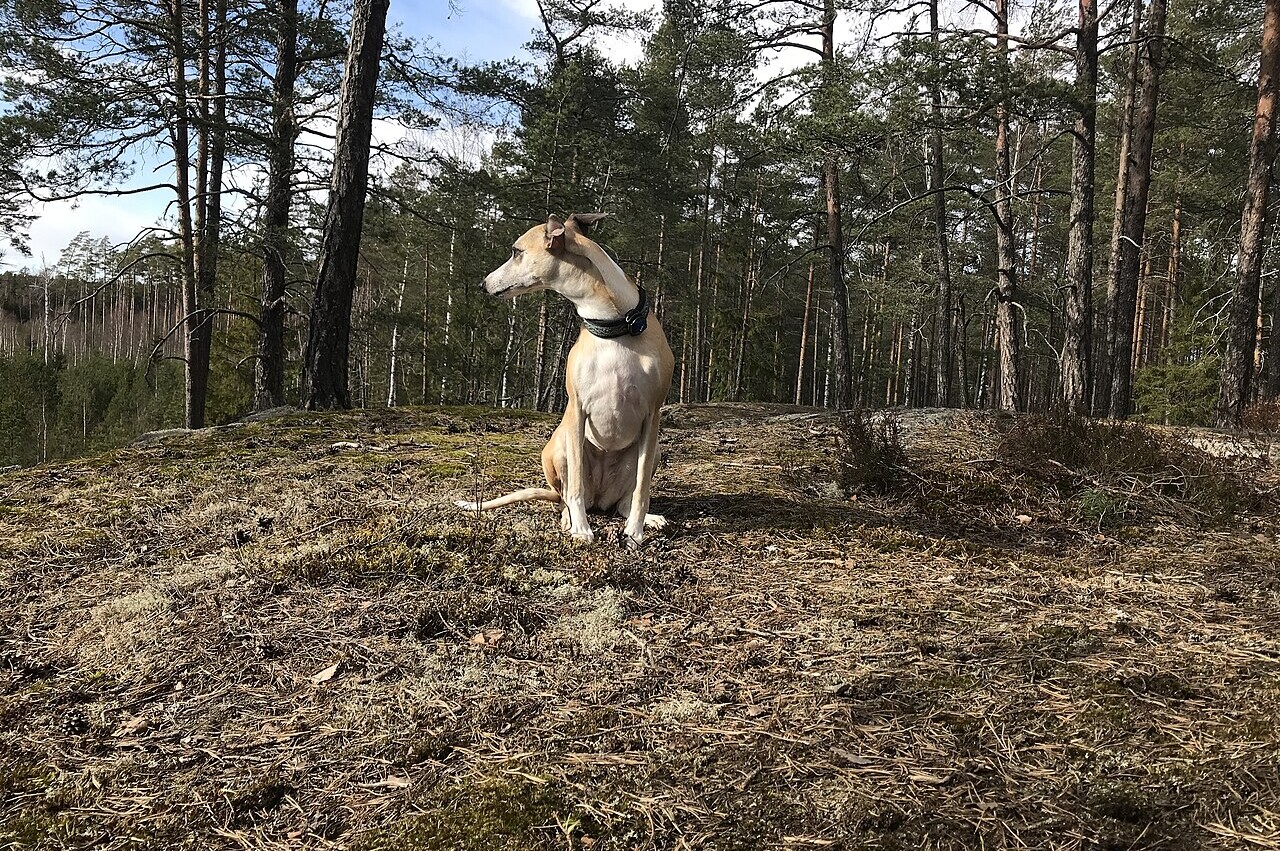
There's nothing quite like a Whippet at full tilt — a lean, aerodynamic blur of muscle and focus hitting 56 km/h in three strides, looking utterly wild. Then it collapses onto your couch, tucks its impossibly thin body into a pretzel shape, and falls asleep on your lap for the next four hours. Whippets are athletic contradictions: speed machines who are, at heart, the ultimate indoor companion dog. Gentle, quiet, deeply affectionate, and somehow elegant at all times — even when stealing your side of the bed.
Growing popularity in Australia reflects what Whippet owners already know: this is one of the most rewarding, surprisingly low-maintenance breeds you can share your life with. But "low-maintenance" shouldn't be confused with "low risk." Whippets have a distinct health profile that every owner needs to understand — one where their athletic nature, unique physiology, and breed-specific vulnerabilities combine to create real potential for significant veterinary costs.
Their famously lean build — almost zero body fat, thin skin, minimal subcutaneous padding — means injuries that would be minor in a Labrador can be serious in a Whippet. Skin lacerations require careful repair. Anaesthesia needs specialist handling. And for an athletic dog that runs hard and plays hard, soft tissue injuries are a genuine occupational hazard. Add cardiac conditions, eye disease, and immune-mediated disorders, and the case for quality pet insurance becomes clear.
We compared real pricing from major Australian pet insurers for a 3-year-old Whippet in Sydney to find the best coverage options for Whippet owners in 2026.
Last updated: April 2026
Quick Comparison: Top Providers for Whippets
| Provider | Monthly Premium | Annual Limit | Excess | Benefit % | Our Take |
|---|---|---|---|---|---|
| Budget Direct ⭐ | ~$38–$65 | $12,000–$25,000 | $0–$200 | 80% | Best value — solid cover at the lowest price for a medium breed |
| Bow Wow Meow | ~$70–$180 | $10,000–$30,000 | $0–$500 | 70–90% | Best flexibility — highest limits + GapOnly instant claiming |
| Pet Circle | ~$68–$170 | $10,000–$17,500 | $75–$150 | 70–90% | Best mid-range — 90% benefit percentage minimises out-of-pocket costs |
⚠️ Premiums shown are indicative, based on quotes for a comparable medium-breed dog (3-year-old desexed male Whippet) in Sydney (2000 postcode), sourced April 2026. Always get a personalised quote for your dog.
Why Whippets Need Pet Insurance
Whippets are often described as one of the healthier purebreds — and there's truth in that. They don't suffer from the extreme brachycephalic issues of French Bulldogs or the near-certain cardiac doom of Dobermans. But "healthier than average" isn't the same as "veterinary expenses are rare," and Whippet owners who skip insurance sometimes learn this the hard way.
The Whippet's health risks are different in character from high-drama breeds — less about catastrophic single events, more about a combination of injury-prone athleticism, sighthound physiology that complicates standard care, and a handful of breed-specific conditions that can require expensive, ongoing treatment. For an active dog that runs hard, the injury risk alone justifies comprehensive cover.
Common Whippet Health Issues & Typical Vet Costs
| Condition | What It Is | Typical Cost |
|---|---|---|
| Soft Tissue Injuries (Muscle Tears, Strains) | Whippets run at extreme speeds — their muscles, tendons, and ligaments bear enormous stress. Muscle tears (particularly iliopsoas, gracilis) are common in racing and lure coursing dogs and can require specialist orthopaedic assessment, imaging, and months of rehabilitation. | $1,500–$5,000 (diagnosis + treatment + rehabilitation) |
| Skin Lacerations & Wounds | Whippets have almost no subcutaneous fat and extremely thin skin. What would be a superficial wound on a Labrador can be a deep, complex laceration on a Whippet requiring surgical repair, multi-layer suturing, and careful wound management. | $800–$4,000 depending on severity |
| Mitral Valve Disease (MVD) | Progressive degeneration of the heart's mitral valve — the most common acquired heart disease in dogs. Whippets are not as dramatically predisposed as Cavalier King Charles Spaniels, but cardiac disease is present in the breed and becomes more common with age. | $2,000–$5,000 initial diagnosis + specialist workup; $1,000–$3,000/year ongoing medication + monitoring |
| Progressive Retinal Atrophy (PRA) | Hereditary eye disease causing progressive degeneration of the retina — gradual vision loss leading to blindness. No cure, but management can slow progression. Whippets carry genetic PRA variants. | $1,500–$3,500 (specialist ophthalmology + genetic testing + ongoing monitoring) |
| Corneal Dystrophy | Abnormal lipid or mineral deposits in the cornea — a breed-predisposed condition. Often asymptomatic but can progress to affect vision and require specialist management. | $800–$2,500 (specialist assessment + ongoing monitoring) |
| Hypothyroidism | Underactive thyroid gland causing weight gain, lethargy, coat changes, and skin problems. Moderately common across medium-sized breeds. Requires lifelong daily medication and periodic blood testing. | $300–$800/year (medication + regular blood tests) |
| Immune-Mediated Conditions | Whippets have an elevated incidence of immune-mediated diseases including immune-mediated haemolytic anaemia (IMHA), thrombocytopenia, and lupus-type conditions. These can be life-threatening and require aggressive immunosuppressive treatment. | $3,000–$10,000+ depending on severity and duration of treatment |
| Cruciate Ligament (ACL) Rupture | Tear of the cranial cruciate ligament in the knee — an occupational hazard for fast, athletic dogs. TPLO or TTA surgery is the standard repair. Can be bilateral. | $4,000–$7,000 per knee |
| Patellar Luxation | Kneecap dislocation — moderately common in medium and small breeds. Whippets can be affected, particularly in smaller individuals. May require surgical correction in severe cases. | $1,500–$4,000 per knee |
| Dental Disease | Whippets have relatively long, narrow jaws that can predispose to overcrowding and dental disease. Anaesthesia sensitivity (see below) makes routine dental work more complex and expensive. | $800–$3,000 (dental surgery under specialist-managed anaesthesia) |
| Anaphylaxis / Insect Stings | Whippets' thin skin and minimal subcutaneous tissue mean they can have dramatic reactions to insect stings. Anaphylaxis is a veterinary emergency. | $1,000–$3,500 (emergency treatment) |
| Arrhythmias & Cardiac Conditions | Beyond MVD, Whippets can develop various cardiac arrhythmias. The breed's lean, athletic build means heart conditions that present subtly in other breeds may have more pronounced effects in Whippets. | $1,500–$4,000 (diagnosis + ongoing management) |
The Anaesthesia Sensitivity Issue
This is one of the most important — and least discussed — aspects of Whippet health care. Like all sighthound breeds, Whippets metabolise certain drugs very differently from other dogs. The specific concern is thiobarbiturate anaesthetics, but more broadly, Whippets' extremely low body fat percentage means fat-soluble drugs (including many sedatives and anaesthetics) don't behave predictably.
What this means practically:
- Every surgical procedure costs more. A Whippet's anaesthesia requires more careful planning, monitoring, and often specialist veterinary oversight. Vets unfamiliar with sighthounds may not appreciate the risks — owners should always flag their dog's breed.
- Routine procedures become non-routine. A dental cleaning that costs $400–$600 for a Labrador can cost $800–$1,500+ for a Whippet when specialist anaesthesia management is involved.
- Recovery monitoring is extended. Whippets take longer to metabolise anaesthetic agents, requiring longer post-operative monitoring.
- Emergency situations are higher risk. If your Whippet needs emergency surgery, ensuring the treating vet understands sighthound anaesthesia protocols is critical — and specialist emergency clinics (where this knowledge is more common) charge accordingly.
This factor alone adds meaningful cost to any procedure requiring sedation or general anaesthesia — and over a Whippet's 12–15 year lifespan, you'll face multiple anaesthetic events (dental cleanings, desexing, potential injury repairs).
Athletic Injuries: The Occupational Hazard
Whippets are built to sprint at 56 km/h. The same biomechanical brilliance that makes them breathtaking to watch also makes them susceptible to soft tissue injuries that other breeds rarely encounter.
The anatomy of a Whippet injury:
The gracilis and iliopsoas muscles are the most commonly injured in working/sporting Whippets. A gracilis injury causes the characteristic "skip step" or swinging-leg lameness that Whippet owners sometimes mistake for a minor strain. Without proper diagnosis (ultrasound or MRI) and a structured rehabilitation protocol, these injuries can become chronic and recurrent.
Injury costs:
- Initial diagnosis (consultation + ultrasound): $600–$1,200
- Specialist physiotherapy/hydrotherapy (typically 8–16 sessions): $1,200–$3,200
- PRP (platelet-rich plasma) injections for stubborn soft tissue injuries: $600–$1,500 per treatment
- MRI if required: $1,500–$3,000
Skin wounds:
Whippets' thin skin tears easily on fences, wire, sticks, and rough surfaces. A wound that would be a simple suture in a Labrador can require multi-layer closure, drain placement, and close monitoring in a Whippet. Repeat wounds aren't unusual for dogs that spend time in bush environments.
The Immune-Mediated Disease Risk
Immune-mediated haemolytic anaemia (IMHA) and related immune disorders appear at elevated rates in Whippets compared to the general dog population. IMHA is a condition where the immune system attacks and destroys the dog's own red blood cells — it can progress from normal to life-threatening within days.
- Initial hospitalisation: $3,000–$6,000 for stabilisation, blood transfusions, and initial immunosuppression
- Ongoing treatment: Prednisolone + additional immunosuppressants (azathioprine, cyclosporine) — $500–$1,500/month during active treatment
- Monitoring: Regular haematology panels every 2–4 weeks during treatment ($150–$300 each)
- Potential relapse: IMHA has a high relapse rate in the first 2 years — some dogs face multiple episodes
- Lifetime cost of IMHA episode: $5,000–$15,000+
This is the Whippet health risk that catches owners most off guard — it seems to come from nowhere, it's terrifying, and it's extremely expensive.
Detailed Provider Reviews
Budget Direct ⭐ Editor's Pick
Best for: Affordable, comprehensive cover — best value premiums for Whippet owners who want solid protection without overpaying
Budget Direct consistently delivers the most affordable premiums among major Australian pet insurers, and Whippets — as a medium-sized, generally healthy breed — benefit from their competitive pricing. For a breed where injury and immune-mediated conditions are the primary risk drivers rather than near-certain chronic disease, Budget Direct's pricing makes year-round insurance genuinely sustainable.
Indicative premiums (3yo male Whippet, Sydney):
- Essential: From ~$30/mo ($12,000 annual limit)
- Comprehensive: From ~$38/mo ($15,000 annual limit)
- Plus: From ~$52/mo ($25,000 annual limit)
Key features:
- Annual limit: $12,000–$25,000 depending on plan
- Benefit percentage: 80% across all plans
- $0 excess option available on some plans
- Routine Care add-on for vaccinations, dental, and flea/tick
- Simple online claims portal
Waiting periods:
- Accident: 2 days
- Illness: 30 days
- Cruciate ligament: 6 months
- Pre-existing conditions: Not covered
Pros:
- Cheapest premiums we found for medium breeds — sustainable for long-term coverage over a 12–15 year Whippet lifespan
- $25,000 Plus plan comfortably handles IMHA + injury + cruciate in a single year
- $0 excess option available — reduces your out-of-pocket on every claim
- Routine Care add-on helps offset annual dental costs (important given Whippet anaesthesia needs)
- 2-day accident waiting period means you're quickly covered for injury claims
Cons:
- Essential plan's $12,000 limit could be tested in a bad year with IMHA + surgery
- 80% benefit percentage means you carry 20% of every bill
- No GapOnly-style instant claiming at the vet
- Dental-specific cover is limited on base plans
Get a Quote from Budget Direct →
Bow Wow Meow
Best for: Highest annual limit ($30,000) and GapOnly instant claiming — best for worst-case scenarios
Bow Wow Meow's $30,000 annual limit is the ceiling you want when the unexpected happens. For Whippet owners, the scenario that keeps you up at night is an IMHA episode — weeks of hospitalisation, blood transfusions, specialist care, and months of immunosuppressive medication — all potentially coinciding with a cruciate ligament rupture or other injury. With Budget Direct's $25,000 limit you might be cutting it close. With Bow Wow Meow's $30,000, you're not.
The GapOnly® feature is also genuinely valuable for Whippet owners: it means you only pay the gap (your share after the insurer's contribution) at participating vets, rather than paying the full bill upfront and waiting for reimbursement. For a breed where emergency care can cost thousands, not having to find $6,000 at 2 AM is significant.
Indicative premiums (3yo male Whippet, Sydney):
- From ~$70/mo (comprehensive cover, up to 92 plan combinations across different limits, excess levels, and benefit percentages)
Key features:
- Annual limit: Up to $30,000 (highest among major AU insurers)
- Benefit percentage: Choose 60%, 70%, 80%, or 90%
- GapOnly® claiming: Pay only the gap at participating vets — no upfront outlay
- myPetPass®: 24/7 online vet access + medication discounts
- No sub-limits on specific conditions
Waiting periods:
- Accident: 2 days
- Illness: 30 days
- Cruciate ligament: 6 months
- Pre-existing conditions: Not covered
Pros:
- $30,000 annual limit handles even the most expensive combination of Whippet health events
- GapOnly claiming removes the need to find emergency funds upfront
- 92 plan combinations allow precise calibration of premium vs cover
- 90% benefit option maximises claim returns for expensive ongoing treatment
- myPetPass provides real value between claims (online vet consultations, medication discounts)
- Established brand with strong Australian veterinary network
Cons:
- Higher premiums than Budget Direct — you pay for the extra coverage ceiling
- Complexity of 92 plan combinations can be overwhelming to compare
- Some combination options have quite high excess levels — read carefully
Get a Quote from Bow Wow Meow →
Pet Circle Insurance
Best for: High benefit percentage (90%) to minimise out-of-pocket costs — especially for chronic conditions
Pet Circle's appeal is straightforward: 90% benefit percentage means they pay back more on every claim. For a Whippet owner managing a long course of IMHA treatment, a chronic injury rehabilitation protocol, or ongoing cardiac medication, that extra 10% versus an 80% policy adds up quickly. Over six months of IMHA medication costing $1,000/month, an 80% policy saves you $6,000; a 90% policy saves you $6,600. Multiply that across years of management and the difference is meaningful.
Their $75 excess is also among the lowest in the market — worth noting for a breed where smaller, more frequent claims (wound care, physiotherapy, minor illness) are common alongside the potential for larger events.
Indicative premiums (3yo male Whippet, Sydney):
- From ~$68/mo (comprehensive cover, $17,500 annual limit)
Key features:
- Annual limit: Up to $17,500
- Benefit percentage: Up to 90%
- Low excess: $75 (one of the lowest available)
- Hereditary and congenital conditions covered
- Online vet consultations included
Pros:
- 90% benefit percentage maximises returns — particularly valuable for ongoing treatment costs
- $75 excess is among the lowest in the Australian pet insurance market
- Hereditary conditions covered (important for PRA, cardiac conditions)
- Pet Circle shopping discounts if you buy pet supplies through the platform
- Congenital conditions covered from day one
Cons:
- $17,500 annual limit is moderate — a severe IMHA episode + surgical complication could approach this cap
- Higher premiums than Budget Direct for base comprehensive plans
- Relatively newer to the insurance market vs established specialists like Bow Wow Meow
- Mid-tier limit means it's not ideal for owners who want maximum security coverage
How We Compared
Our methodology:
- Real pricing data: Premiums shown are indicative, based on quotes for a 3-year-old desexed male Whippet (medium breed, Sydney 2000 postcode) sourced April 2026
- Breed relevance: We assessed coverage against the conditions Whippets actually claim for — soft tissue injuries, immune-mediated disease, cardiac conditions, eye conditions, and skin wounds
- Annual limits vs realistic scenarios: Benchmarked against realistic worst-case Whippet claim years (IMHA + injury = potentially $10,000–$20,000)
- Anaesthesia costs considered: We factored in the additional cost of sighthound-appropriate anaesthesia management when evaluating dental and surgical coverage
- Long-term sustainability: Whippets live 12–15 years — we considered how premiums scale with age and whether policies remain good value over the long term
What we didn't do: Providers don't pay to rank higher in our comparisons. Recommendations are based on value for Whippet owners specifically.
What to Look for in Whippet Insurance
Must-Haves
Comprehensive cover (not accident-only). Whippets' biggest risks are illness-related — IMHA, cardiac conditions, PRA. Accident-only cover misses the majority of breed-specific risk.
$15,000+ annual limit. A moderate IMHA episode alone can cost $8,000–$12,000. Add any other event in the same year and you need headroom.
Hereditary and congenital condition coverage. PRA, cardiac conditions, and immune-mediated diseases all have genetic components. Ensure the PDS covers these.
No sub-limits on specific conditions. Policies that cap "immune conditions" or "cardiac disease" at $2,000–$3,000 won't serve you in the scenarios that matter most.
Nice-to-Haves
Physiotherapy and rehabilitation cover. Soft tissue injury rehabilitation is a significant cost for Whippets. Policies that cover hydrotherapy, physiotherapy, and acupuncture provide meaningful value for this breed.
Specialist and emergency clinic cover. Sighthound anaesthesia expertise is concentrated at specialist centres. Make sure your policy covers specialist veterinary care without extra exclusions.
High benefit percentage (80–90%). For a breed where ongoing treatment costs can run for months, higher benefit percentages save hundreds over the course of treatment.
Low excess ($0–$100). Whippets may have more frequent smaller claims than some breeds — low excess reduces the friction of claiming.
Red Flags
Sub-limits on immune conditions. Given Whippets' elevated IMHA risk, a policy capping immune-mediated disease at $2,000 is essentially useless for the most expensive scenario you're likely to face.
No chronic condition cover after year one. Some policies treat each policy year as a new assessment period — a condition active during year one stops being covered the following year. IMHA and cardiac conditions are chronic. Make sure ongoing management is covered year after year.
Low annual limits ($8,000–$10,000). These caps sound significant until you're halfway through an IMHA hospitalisation.
Vague "breed exclusions." Some policies have fine print around sighthound breeds or conditions common to them. Read the PDS carefully.
Whippet Insurance Costs by Age
Like all dogs, Whippet premiums increase with age as risk profiles shift:
| Age | Estimated Monthly (Comprehensive) | Notes |
|---|---|---|
| Puppy (8 weeks–1 year) | $22–$45 | Lowest premiums — start early before conditions develop |
| 1–3 years | $28–$65 | Athletic injury risk increases as Whippet reaches full speed |
| 4–7 years | $45–$100 | Prime athletic years — peak injury risk period |
| 8–10 years | $75–$150 | Cardiac and eye conditions typically emerge in middle age |
| 11+ years | $110–$200+ | Senior health issues; some insurers restrict new policy sign-ups |
💡 Tip: The smartest time to insure your Whippet is as a puppy or young dog. IMHA that develops after you're insured is covered. IMHA that exists before you take out a policy is a pre-existing condition — and no insurer will ever cover it. The same applies to PRA, cardiac disease, and any other condition. Early cover is permanent protection against the unexpected.
Whippets vs Other Sighthounds: Insurance Comparison
If you're comparing Whippets to their sighthound relatives, here's how the insurance landscape looks:
| Breed | Monthly Premium Range | Key Risk Factors | Relative Insurance Cost |
|---|---|---|---|
| Whippet | $38–$180 | Soft tissue injuries, IMHA, cardiac, skin wounds | Moderate |
| Greyhound | $40–$190 | Racing injuries, osteosarcoma, cardiac, anaesthesia sensitivity | Moderate-High |
| Italian Greyhound | $35–$160 | Fractures (delicate bone structure), dental, IMHA | Moderate |
| Saluki | $42–$195 | Cardiac conditions, hypothyroidism, anaesthesia sensitivity | Moderate-High |
Whippets sit in the mid-range among sighthound breeds — cheaper than the larger Greyhound, slightly more than the tiny Italian Greyhound. Their moderate size and generally robust constitution (relative to their more athletic cousins) keep premiums reasonable while still requiring meaningful coverage for breed-specific risks.
Is Pet Insurance Worth It for Whippets?
For most Whippet owners, yes — and the maths support it clearly.
Consider just one common scenario: soft tissue injury requiring rehabilitation.
- Ultrasound diagnosis: $600
- 12 physiotherapy/hydrotherapy sessions: $2,400
- PRP injection: $1,200
- Follow-up imaging: $600
- Total: ~$4,800
At $38/month (Budget Direct Comprehensive), that's over 10 years of premiums — covered by a single moderate injury event. Now add the IMHA scenario ($5,000–$15,000), a cruciate ligament rupture ($5,000–$7,000), or a cardiac diagnosis ($2,000–$5,000 in the first year alone), and the financial case becomes overwhelming.
The specific argument for Whippets is that their risk isn't concentrated in one obvious catastrophe — it's distributed across multiple plausible events over a long lifespan. The cumulative probability of at least one major veterinary event over 12–15 years is very high. Insurance converts that uncertainty from a potential financial crisis into a manageable monthly cost.
For our full analysis of when and whether pet insurance makes sense, see Is Pet Insurance Worth It in Australia?
FAQ
Q: How much does pet insurance cost for a Whippet in Australia?
A: Based on indicative pricing for a 3-year-old desexed male Whippet in Sydney, comprehensive pet insurance typically costs between $38 and $180 per month depending on the provider, annual limit, excess, and benefit percentage chosen. Budget Direct offers the most affordable entry points from approximately $30/month, while Bow Wow Meow's premium plans with $30,000 annual limits and 90% benefit percentage sit at the higher end. Your actual premium will vary by your dog's age, location, and the specific cover level you choose.
Q: Are Whippets expensive to insure?
A: Whippets sit in the moderate cost range for pet insurance — cheaper than high-risk breeds like French Bulldogs or Dobermans, but slightly more than breeds with minimal known health predispositions. Their sighthound physiology (anaesthesia sensitivity, thin skin), injury-prone athleticism, and elevated risk of immune-mediated disease and cardiac conditions push premiums above very healthy breeds, but they remain very manageable compared to brachycephalic or giant breeds.
Q: Does pet insurance cover soft tissue injuries for Whippets?
A: Yes — most comprehensive pet insurance policies cover soft tissue injuries including muscle tears, ligament strains, and wounds requiring surgical repair. Key things to check: whether physiotherapy and hydrotherapy are covered (valuable for Whippet rehabilitation), whether there are sub-limits on orthopaedic conditions, and the waiting period for accident claims (typically 2 days). Always check the Product Disclosure Statement before purchasing.
Q: Does pet insurance cover immune-mediated haemolytic anaemia (IMHA) in dogs?
A: Yes, IMHA is typically covered by comprehensive pet insurance policies as an illness, provided it develops after your policy starts and your waiting period has passed (usually 30 days for illness). Given IMHA's potential cost ($5,000–$15,000 for a single episode plus ongoing treatment), and the elevated incidence in Whippets, this is one of the strongest arguments for insuring your Whippet early — before any immune condition is detectable. See also: Pre-existing Conditions in Pet Insurance.
Q: What age should I insure my Whippet?
A: As early as possible — ideally from 8 weeks. Whippet-specific risks like IMHA, PRA, and cardiac conditions can emerge at any age with no prior warning. Once diagnosed, these become pre-existing conditions that no insurer will cover. The earlier you insure, the more protection you have against the full range of breed-specific risks. Most insurers allow coverage from 8 weeks of age.
Q: Is sighthound anaesthesia sensitivity covered by pet insurance?
A: The additional cost of sighthound-appropriate anaesthesia management (specialist monitoring, extended recovery supervision, appropriate drug selection) is generally covered as part of the surgical procedure when you make a claim for that procedure. You're not claiming "for anaesthesia sensitivity" specifically — you're claiming for the procedure, and the specialist costs involved are included. Confirm this with your insurer and always inform your vet that your dog is a sighthound before any procedure requiring sedation.
Q: Can I get pet insurance for a senior Whippet?
A: Yes, but with caveats. Some insurers stop accepting new policy applications for dogs over 8–9 years old. Those that do insure senior dogs charge significantly higher premiums and may impose more exclusions for age-related conditions. If your senior Whippet has existing health conditions, these will typically be excluded as pre-existing. The best strategy is to insure early and maintain continuous coverage — policies that already cover your Whippet are unlikely to drop you purely due to age, while new policies for older dogs become harder to obtain. For a full breakdown, see our guide to pet insurance for senior dogs (coming soon).
Q: Does pet insurance cover progressive retinal atrophy (PRA) in Whippets?
A: PRA is a hereditary condition, and coverage depends on your specific policy and insurer. Many comprehensive policies cover hereditary conditions — including PRA — provided the condition was not known to exist before the policy started. Policies from providers like Bow Wow Meow and Pet Circle generally cover hereditary and congenital conditions, but you should always check the Product Disclosure Statement and confirm coverage of hereditary eye conditions specifically before purchasing.
Our Recommendation
For most Whippet owners, Budget Direct's Comprehensive or Plus plan offers the best value — solid annual limits ($15,000–$25,000), 80% benefit percentage, and premiums that are genuinely sustainable over a 12–15 year Whippet lifespan.
If you want the highest possible security — particularly against IMHA or a year with multiple significant events — Bow Wow Meow's $30,000 limit plans with 80–90% benefit provide the ceiling you need, and GapOnly claiming removes the burden of upfront emergency costs.
For Whippet owners who value maximising return on every claim (particularly if managing ongoing conditions like cardiac disease or extended injury rehabilitation), Pet Circle's 90% benefit percentage and low $75 excess make them a compelling choice despite the lower annual limit.
Start early, maintain continuous cover, and choose an annual limit that reflects realistic Whippet health risk — not just the average year, but the year when everything goes wrong at once.
Related Articles
- Is Pet Insurance Worth It in Australia?
- Pet Insurance and Pre-Existing Conditions
- How Much Does Pet Insurance Cost in Australia?
- Best Pet Insurance for Greyhounds in Australia (coming soon)
- Best Pet Insurance for Border Collies in Australia
- Best Pet Insurance for Labradors in Australia
- Cheapest Pet Insurance in Australia
- Most Expensive Dog Breeds to Insure in Australia
Disclaimer: This article is for general information only and does not constitute financial or insurance advice. Premiums and policy details are indicative and subject to change — always obtain a personalised quote and read the Product Disclosure Statement before purchasing any insurance product. We may earn a commission when you use our links, which does not affect our ratings or recommendations.
Last reviewed: April 2026