
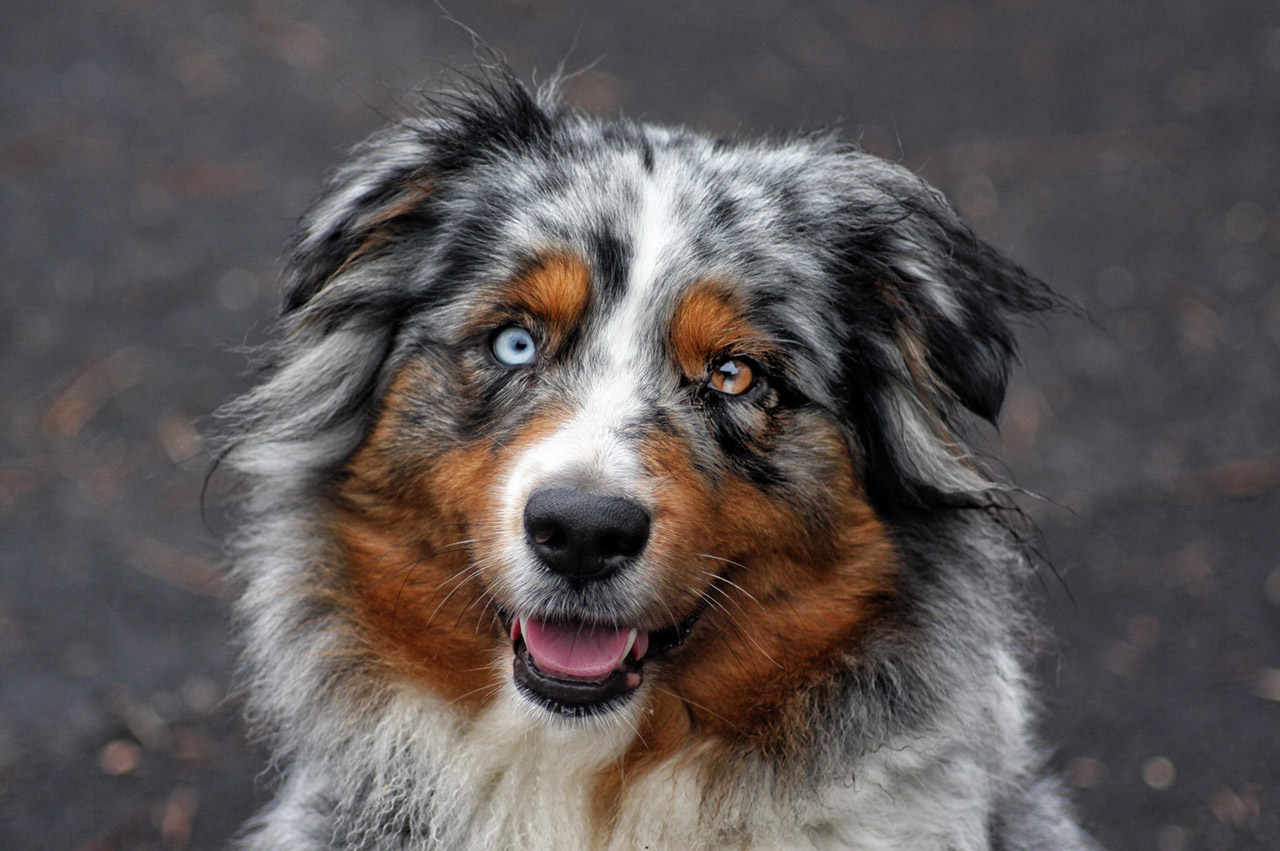
There's a reason Australian Shepherds have gone from ranch dogs to one of Australia's most popular family breeds — they're brilliant, loyal, and genuinely fun to live with. Give an Aussie a job and they'll do it with everything they have. Give them nothing to do and they'll invent their own job, usually involving rearranging your furniture or herding your children. They're high-octane, high-reward dogs that form deep bonds with their families and never really switch off.
But behind all that intelligence and athleticism lies a health profile that every Aussie owner needs to understand. The Australian Shepherd carries some significant genetic predispositions — most notably the MDR1 gene mutation that affects drug sensitivity, a hereditary eye disease cluster, hip and elbow dysplasia common to working breeds, and epilepsy at rates higher than the general dog population. Add in the injury risk that comes with an extremely active, physically driven dog, and you have a breed where veterinary costs can escalate quickly and without much warning.
We compared real pricing from major Australian pet insurers for a 3-year-old Australian Shepherd in Sydney to find the best coverage options for Aussie owners in 2026.
Last updated: April 2026
Quick Comparison: Top Providers for Australian Shepherds
| Provider | Monthly Premium | Annual Limit | Excess | Benefit % | Our Take |
|---|---|---|---|---|---|
| Budget Direct ⭐ | ~$40–$70 | $12,000–$25,000 | $0–$200 | 80% | Best value — solid cover at affordable premiums for a medium-large working breed |
| Bow Wow Meow | ~$75–$190 | $10,000–$30,000 | $0–$500 | 70–90% | Best flexibility — highest limits + GapOnly instant claiming for expensive events |
| Pet Circle | ~$72–$175 | $10,000–$17,500 | $75–$150 | 70–90% | Best mid-range — 90% benefit minimises out-of-pocket on ongoing conditions |
⚠️ Premiums shown are indicative, based on quotes for a comparable medium-large working breed dog (3-year-old desexed male Australian Shepherd) in Sydney (2000 postcode), sourced April 2026. Always get a personalised quote for your dog.
Why Australian Shepherds Need Pet Insurance
Australian Shepherds are generally robust and physically capable dogs, but "robust" doesn't mean "inexpensive to insure." The breed's health risks are a combination of known genetic predispositions — some of which are quite serious — and the injury hazards that come with a fast, athletic dog that never quite runs out of energy.
The MDR1 gene mutation alone makes Australian Shepherds more complicated (and expensive) to treat for a range of conditions. Epilepsy is significantly more prevalent in Aussies than in the general dog population. Joint dysplasia is a common outcome for working breeds with heavy physical demands. And a cluster of hereditary eye diseases means ophthalmology costs are a realistic part of Aussie ownership.
Common Australian Shepherd Health Issues & Typical Vet Costs
| Condition | What It Is | Typical Cost |
|---|---|---|
| Hip Dysplasia | Malformation of the hip joint causing pain, lameness, and arthritis. Extremely common in medium-to-large working breeds. Ranges from medical management (lifelong pain relief, physiotherapy) to bilateral total hip replacement surgery. | $2,000–$10,000+ (surgical); $500–$2,000/year (medical management) |
| Elbow Dysplasia | Developmental malformation of the elbow joint — common in larger, active breeds. Can affect one or both elbows. Surgical correction is standard for moderate-severe cases; lifelong management typically required. | $2,500–$6,000 per elbow (surgery); $500–$1,500/year ongoing |
| Cruciate Ligament (ACL) Rupture | Tear of the cranial cruciate ligament — the most common orthopaedic injury in active dogs. TPLO or TTA surgery is the standard repair. An athletic, working-type dog like an Aussie is at genuine risk, especially from sudden direction changes at speed. | $4,000–$7,500 per knee (can be bilateral) |
| Epilepsy / Seizure Disorders | Australian Shepherds have one of the highest rates of hereditary epilepsy among dog breeds. Idiopathic epilepsy (no identifiable cause beyond genetics) requires lifelong anticonvulsant medication, regular blood monitoring, and specialist neurology involvement for complex cases. | $1,500–$4,000 (initial workup, MRI, specialist); $800–$2,500/year (ongoing medication + monitoring) |
| MDR1 Gene Mutation (Drug Sensitivity) | The MDR1 (ABCB1) mutation affects approximately 50% of Australian Shepherds. Dogs with this mutation cannot properly clear certain drugs (including some anti-parasitics, anti-cancer agents, anti-diarrheals, and sedatives) — accumulation can be life-threatening. Affects treatment costs across all medical events that require sedation, anaesthesia, or drug therapy. | Increases cost of every procedure requiring medication by $200–$800 (specialist consultation, alternative drug selection, extended monitoring) |
| Collie Eye Anomaly (CEA) | Hereditary developmental eye condition affecting the retina, choroid, and optic disc. Severity ranges from mild with no vision impact to severe with retinal detachment and blindness. Australian Shepherds are a commonly affected breed. | $1,200–$4,000 (specialist ophthalmology, monitoring, potential laser treatment) |
| Progressive Retinal Atrophy (PRA) | Hereditary degeneration of the retinal cells causing progressive vision loss leading to complete blindness. No cure. Management aims to slow progression and maximise quality of life. | $1,500–$3,500 (specialist assessment, genetic testing, ongoing monitoring) |
| Hereditary Cataracts | Aussies have elevated rates of hereditary cataract development, which can progress to significant vision impairment. Surgical lens replacement is possible but expensive. | $2,000–$5,000 per eye (surgery); $800–$2,000 (monitoring if non-surgical management chosen) |
| Hypothyroidism | Underactive thyroid gland — common in medium to large breeds, including working dogs. Causes weight gain, lethargy, cold intolerance, and coat changes. Manageable with daily medication but requires lifelong treatment and regular blood testing. | $300–$800/year (medication + regular blood panels) |
| Autoimmune Conditions | Aussies have elevated rates of various autoimmune disorders including immune-mediated polyarthritis, lupus-type conditions, and skin autoimmune disease. Can be complex and expensive to manage. | $2,000–$8,000+ depending on severity and duration |
| Dental Disease | Large, working-type dogs with physical activity demands are often prone to dental wear and disease. MDR1 complications mean anaesthesia for dental procedures requires careful planning. | $800–$3,000 (dental surgery + specialist anaesthesia considerations) |
| Dermatitis / Skin Conditions | Aussies' double coats can predispose to skin fold issues, allergic dermatitis, and hot spots — particularly in Australia's humid coastal climates. Allergy management can be a long-term recurring cost. | $500–$2,500/year (diagnostics + ongoing allergy management) |
The MDR1 Mutation: Why It Matters for Every Owner
This is the Australian Shepherd health factor that affects everything else — not just as a standalone health event, but as a complication that touches virtually every procedure and many medications your Aussie might need over their lifetime.
MDR1 (Multi-Drug Resistance gene 1, also known as ABCB1) is a gene that produces P-glycoprotein, a protein that acts as a drug pump — particularly in the blood-brain barrier, gut, and liver. In dogs with the mutated MDR1 gene, this pump doesn't work properly. Certain drugs that would normally be rapidly cleared from the body instead accumulate in the central nervous system and other tissues, causing toxicity that can range from sedation and ataxia to respiratory failure and death.
Breeds commonly affected include: Australian Shepherd, Border Collie, Collie, Shetland Sheepdog, and several other herding breeds. Approximately 50% of Australian Shepherds carry at least one copy of the mutation; approximately 25% are homozygous (two copies), putting them at highest risk.
Drugs affected include:
- Ivermectin (a common anti-parasitic — causes fatal toxicity in affected dogs)
- Loperamide (Imodium — anti-diarrheal)
- Certain anaesthetic agents and sedatives
- Several chemotherapy drugs
- Some antibiotics and antifungals
What this means for your insurance costs:
- Every surgery requires specialist consultation on drug selection before anaesthesia
- Standard parasite prevention products may not be usable — alternatives are often more expensive
- Emergency treatment becomes more complex and costly because treating vets must navigate the drug restriction list under time pressure
- MDR1 testing ($80–$150) should be completed before any medical procedures
- Any vet treating your dog needs to know their MDR1 status — maintain a clear record
This isn't a reason to panic — it's a reason to be informed and to have insurance that covers the specialist consultations and alternative treatment protocols that come with managing an MDR1-affected dog.
Epilepsy: More Common Than Most Owners Realise
Idiopathic epilepsy in Australian Shepherds is significantly underappreciated by prospective owners. Studies suggest Aussies have one of the higher hereditary epilepsy rates among domestic breeds, with estimates ranging from 3–5% of the breed experiencing seizure disorders.
The initial diagnostic workup for a seizuring dog is expensive regardless of ultimate cause:
- Emergency consultation (if presenting mid-seizure): $600–$1,500
- Blood panels, urinalysis, baseline testing: $400–$800
- MRI brain scan (to rule out structural causes): $1,500–$3,000
- Cerebrospinal fluid (CSF) analysis: $500–$1,000
- Specialist neurology consultation: $400–$800
Once idiopathic epilepsy is confirmed, lifelong management:
- Phenobarbitone (standard first-line): $100–$300/month + blood monitoring every 6 months ($200–$400 each)
- Potassium bromide (often used in combination): $50–$150/month
- Levetiracetam or zonisamide (for drug-resistant cases): $200–$600/month
- Emergency valium (for cluster seizures): $200–$600/episode when required
A single year of epilepsy management (stable, well-controlled) can cost $2,000–$4,000. An unstable year with cluster seizures and hospitalisations can reach $8,000–$15,000.
Detailed Provider Reviews
Budget Direct ⭐ Editor's Pick
Best for: Affordable, comprehensive cover — best value premiums for Australian Shepherd owners who want solid protection without overpaying
Budget Direct consistently delivers the most competitive premiums among major Australian pet insurers. For an Australian Shepherd — a breed where the primary risks are genetic conditions and working-dog injuries rather than near-certain catastrophic disease — their pricing structure provides year-round protection at a sustainable cost over the breed's 12–15 year lifespan.
Indicative premiums (3yo male Australian Shepherd, Sydney):
- Essential: From ~$32/mo ($12,000 annual limit)
- Comprehensive: From ~$40/mo ($15,000 annual limit)
- Plus: From ~$55/mo ($25,000 annual limit)
Key features:
- Annual limit: $12,000–$25,000 depending on plan
- Benefit percentage: 80% across all plans
- $0 excess option available on some plans
- Routine Care add-on for vaccinations, dental, and preventive treatments
- Simple online claims portal
Waiting periods:
- Accident: 2 days
- Illness: 30 days
- Cruciate ligament: 6 months
- Hip dysplasia: Some policies have extended waiting periods — check PDS
- Pre-existing conditions: Not covered
Pros:
- Most affordable premiums we found for medium-large breed dogs — sustainable for the full Aussie lifespan
- $25,000 Plus plan handles epilepsy management + joint surgery + injury in a single year
- $0 excess option reduces out-of-pocket on every claim — useful for a breed with potentially frequent specialist consultations
- Routine Care add-on covers preventive treatments, annual dental (helps with MDR1-related dental costs)
- 2-day accident waiting period provides rapid cover for injury claims
Cons:
- 80% benefit percentage means 20% of every bill is yours — meaningful for expensive ongoing conditions like epilepsy
- Essential plan's $12,000 limit could be tested by bilateral joint surgery + any other event
- Hip dysplasia waiting periods — check the PDS before purchasing if your Aussie is already showing signs
- No GapOnly instant claiming at the vet — you pay upfront and claim back
Get a Quote from Budget Direct →
Bow Wow Meow
Best for: Highest annual limit ($30,000) and GapOnly instant claiming — essential for worst-case Aussie scenarios
The Bow Wow Meow $30,000 annual limit is where you want to be if you're worried about the scenarios that genuinely keep Australian Shepherd owners awake. An epilepsy diagnosis requiring specialist neurology + MRI + ongoing medication in the same year as a cruciate ligament rupture can easily reach $15,000–$20,000. Add bilateral hip dysplasia surgery — entirely plausible in a working breed — and you could be approaching $30,000 in a single policy year. That's not catastrophising; it's planning.
The GapOnly® feature deserves special mention for MDR1-affected dogs: when your Aussie needs emergency treatment and the treating vet needs to navigate drug contraindications, access to specialist emergency care without the cash-flow pressure of upfront billing is genuinely valuable. GapOnly means you pay only the gap at participating vets.
Indicative premiums (3yo male Australian Shepherd, Sydney):
- From ~$75/mo (comprehensive cover, up to 92 plan combinations across different limits, excess levels, and benefit percentages)
Key features:
- Annual limit: Up to $30,000 (highest among major AU insurers)
- Benefit percentage: Choose 60%, 70%, 80%, or 90%
- GapOnly® claiming: Pay only the gap at participating vets — no upfront outlay
- myPetPass®: 24/7 online vet access + medication discounts
- No sub-limits on specific conditions (check PDS)
- Hereditary and congenital conditions covered
Waiting periods:
- Accident: 2 days
- Illness: 30 days
- Cruciate ligament: 6 months
- Pre-existing conditions: Not covered
Pros:
- $30,000 annual limit covers even the most expensive combination of Aussie health events
- GapOnly claiming eliminates the need to find emergency cash at specialist clinics
- 90% benefit option maximises claim returns for expensive ongoing conditions (epilepsy, joint management)
- myPetPass 24/7 vet access useful for navigating MDR1 concerns without paying for a clinic consult
- No sub-limits means epilepsy, eye disease, and joint conditions aren't capped separately
- Strong veterinary network coverage across Australia
Cons:
- Premium pricing — you pay meaningfully more than Budget Direct for the extra ceiling
- Complexity of 92 plan combinations requires careful comparison before purchase
- Some high-excess plan combinations reduce the value of GapOnly claiming — compare carefully
Get a Quote from Bow Wow Meow →
Pet Circle Insurance
Best for: High benefit percentage (90%) to minimise out-of-pocket on ongoing conditions
For Australian Shepherd owners managing ongoing conditions — epilepsy on lifelong medication, a dog recovering from joint surgery and undergoing physiotherapy, or an autoimmune condition requiring immunosuppressive treatment — Pet Circle's 90% benefit percentage and low $75 excess provide the best return on every claim.
The maths are straightforward: on $20,000 of claims in a year, a 90% policy pays $18,000, leaving you $2,000 out of pocket. An 80% policy pays $16,000, leaving you $4,000 out of pocket. For high-volume claim years, the 10% difference is $2,000 in your pocket.
Indicative premiums (3yo male Australian Shepherd, Sydney):
- From ~$72/mo (comprehensive cover, $17,500 annual limit)
Key features:
- Annual limit: Up to $17,500
- Benefit percentage: Up to 90%
- Low excess: $75 (one of the lowest in the market)
- Hereditary and congenital conditions covered
- Online vet consultations included
Pros:
- 90% benefit percentage maximises returns on expensive, ongoing conditions
- $75 excess is among the lowest in Australian pet insurance — good for frequent smaller claims (specialist consults, monitoring panels)
- Hereditary conditions covered — important for CEA, PRA, hereditary cataracts, and epilepsy
- Congenital conditions covered from policy start
- Pet Circle shopping discounts a useful bonus for Aussie supply costs
Cons:
- $17,500 annual limit is the main constraint — bilateral joint surgery alone can approach or exceed this
- Higher premiums than Budget Direct while offering a lower annual cap
- Newer to the insurance space than established specialists
How We Compared
Our methodology:
- Real pricing data: Premiums shown are indicative, based on quotes for a 3-year-old desexed male Australian Shepherd (medium-large breed, Sydney 2000 postcode) sourced April 2026
- Breed relevance: We assessed coverage against the conditions Australian Shepherds actually claim for — joint dysplasia, epilepsy, eye conditions, MDR1 complications, and working-dog injuries
- Annual limits vs realistic scenarios: We modelled worst-case Aussie claim years (bilateral joint surgery + epilepsy management = potentially $15,000–$25,000+)
- MDR1 costs considered: We factored in the additional specialist consultation and alternative drug costs that MDR1-affected dogs routinely incur
- Long-term sustainability: Aussies live 12–15 years — we considered how premiums scale with age and which policies remain good value over the full lifespan
What we didn't do: Providers don't pay to rank higher. Recommendations are based on value for Australian Shepherd owners specifically.
What to Look for in Australian Shepherd Insurance
Must-Haves
Comprehensive cover (not accident-only). The biggest Aussie risks — epilepsy, eye disease, autoimmune conditions — are illness-related. Accident-only cover misses the bulk of what you actually need protected.
$15,000+ annual limit. A single bad year combining epilepsy management ($3,000–$8,000), joint surgery ($5,000–$8,000), and a specialist ophthalmology workup ($2,000–$4,000) can easily exceed $15,000. Don't cap yourself below realistic worst-case costs.
Hereditary and congenital condition coverage. Hip dysplasia, CEA, PRA, hereditary cataracts, and epilepsy all have genetic components. Ensure the PDS explicitly covers hereditary conditions.
No sub-limits on specific condition types. Policies capping "neurological conditions" or "orthopaedic conditions" at $3,000–$5,000 won't serve you in the scenarios that actually matter.
Nice-to-Haves
Physiotherapy and rehabilitation cover. Joint dysplasia recovery — whether surgical or managed medically — often involves months of hydrotherapy, physiotherapy, and pain management. Coverage for rehabilitation costs is meaningful.
Specialist and emergency clinic cover. MDR1 management and complex neurological conditions are handled at specialist centres. Confirm specialist veterinary care is covered without additional exclusions.
High benefit percentage (80–90%). For ongoing conditions running months or years, that extra 10% accumulates into significant savings.
Online vet consultation access. Useful for MDR1-related queries ("is this drug safe for my Aussie?") without a clinic visit every time.
Red Flags
Sub-limits on orthopaedic or neurological conditions. If a policy caps "hip conditions" at $3,000 or "neurological conditions" at $4,000, it's essentially unusable for the most likely expensive events in Aussies.
Exclusions for herding breeds or working dogs. Rare, but check the PDS — some policies have fine print around working-dog-associated conditions.
No chronic condition carry-through. Epilepsy is lifelong. A policy that treats each year as a fresh assessment and excludes conditions from the previous year is a trap for Aussie owners.
Low annual limits ($8,000–$10,000). These sound reasonable until you're halfway through bilateral hip replacement surgery.
Australian Shepherd Insurance Costs by Age
| Age | Estimated Monthly (Comprehensive) | Notes |
|---|---|---|
| Puppy (8 weeks–1 year) | $25–$50 | Lowest premiums — start early before hereditary conditions manifest |
| 1–3 years | $32–$75 | Joint dysplasia and epilepsy often first present in 1–3 year range |
| 4–7 years | $50–$110 | Prime working years — injury risk remains high; joint management costs accumulate |
| 8–10 years | $80–$160 | Eye conditions, thyroid, autoimmune disease risks increase in middle age |
| 11+ years | $120–$220+ | Senior health management; some insurers restrict new sign-ups above 9 years |
💡 Tip: Hip dysplasia and epilepsy in Australian Shepherds often present in the first 1–3 years of life — after which they become pre-existing conditions excluded from all coverage. Insuring your Aussie puppy before the first vet visit for any of these conditions is the single most important insurance decision you'll make for this breed.
Australian Shepherds vs Similar Herding Breeds: Insurance Comparison
| Breed | Monthly Premium Range | Key Risk Factors | Relative Insurance Cost |
|---|---|---|---|
| Australian Shepherd | $40–$190 | Epilepsy, MDR1, hip dysplasia, CEA/PRA, cruciate | Moderate-High |
| Border Collie | $38–$180 | Hip dysplasia, epilepsy, CEA, eye conditions | Moderate |
| German Shepherd | $45–$200 | Hip/elbow dysplasia, degenerative myelopathy, bloat | High |
| Groodle | $38–$175 | Hip dysplasia, ear infections, allergies | Moderate |
Australian Shepherds sit in the moderate-to-high range among herding and working breeds. Their genetic complexity — particularly the MDR1 mutation and epilepsy predisposition — pushes them above the simplest breeds to insure, while their generally athletic constitution keeps premiums below the more extreme working breeds like the German Shepherd.
For our comparison of German Shepherd pet insurance, see our full breed guide. For Border Collie insurance, we've compared the same providers with breed-specific commentary.
Is Pet Insurance Worth It for Australian Shepherds?
For Australian Shepherds, the answer is a clear yes — and the breed's specific risk profile makes the case particularly strong.
Consider the epilepsy scenario alone: an initial diagnostic workup (MRI, specialist neurology, CSF analysis, blood panels) can cost $3,500–$5,500. Add the first year of medication and monitoring and you're at $4,500–$8,000. That's 6–12 years of Budget Direct Comprehensive premiums ($40/month) covered by a single diagnosis.
Now consider that epilepsy is often a lifetime condition — your Aussie may need anticonvulsant medication from age 2 to age 14. That's 12 years of ongoing costs. Over the same period, joint dysplasia management, eye condition monitoring, and at least a few significant injury events add further veterinary expense.
The honest framing for Australian Shepherd insurance isn't "will my dog need expensive vet care?" — it's "when will my dog need expensive vet care, and how much will it cost?" For a breed with known genetic predispositions that are both common and expensive, insurance converts that financial uncertainty into a manageable, predictable monthly cost.
For our complete analysis of value across scenarios, see Is Pet Insurance Worth It in Australia?
FAQ
Q: How much does pet insurance cost for an Australian Shepherd in Australia?
A: Based on indicative pricing for a 3-year-old desexed male Australian Shepherd in Sydney, comprehensive pet insurance typically costs between $40 and $190 per month depending on the provider, annual limit, excess, and benefit percentage. Budget Direct offers the most affordable entry points from approximately $32/month on their Essential plan, while Bow Wow Meow's premium plans with $30,000 annual limits and 90% benefit percentage sit at the higher end. Your actual premium will vary by your dog's age, location, and cover level chosen.
Q: Are Australian Shepherds expensive to insure?
A: Australian Shepherds fall in the moderate-to-high range compared to other breeds. They're cheaper to insure than brachycephalic breeds like French Bulldogs or giant breeds, but more expensive than genuinely hardy breeds with minimal genetic predispositions. The MDR1 mutation, elevated epilepsy rates, and joint dysplasia risk all contribute to a higher-than-average risk profile that insurers price accordingly. That said, premiums remain very manageable — especially when weighed against the realistic cost of treating breed-specific conditions.
Q: Does pet insurance cover epilepsy in Australian Shepherds?
A: Yes — epilepsy is covered by comprehensive pet insurance as an illness, provided the first seizure occurs after your policy starts and after the waiting period (typically 30 days for illness). The critical point: epilepsy that presents before you're insured, or that was known/suspected before you took out the policy, becomes a pre-existing condition permanently excluded from coverage. Given how common epilepsy is in Australian Shepherds, and that it often presents in young dogs aged 1–3, insuring early — ideally as a puppy — is the only reliable way to ensure epilepsy coverage. See also: Pre-existing Conditions in Pet Insurance Australia.
Q: Does pet insurance cover hip dysplasia in Australian Shepherds?
A: Most comprehensive policies cover hip dysplasia — but the details vary significantly. Some policies have extended waiting periods (6–12 months) specifically for orthopaedic conditions including hip dysplasia. Others exclude it entirely if signs were present at policy inception. The safest approach is to insure your Aussie as a puppy before any gait abnormalities are noted, and to check the PDS carefully for orthopaedic waiting periods and exclusions. Budget Direct, Bow Wow Meow, and Pet Circle all cover hip dysplasia on their comprehensive plans when not pre-existing.
Q: What is the MDR1 mutation and does pet insurance cover it?
A: The MDR1 (ABCB1) gene mutation affects approximately 50% of Australian Shepherds and causes abnormal sensitivity to certain drugs — including some common antiparasitic, anti-diarrhoeal, and anaesthetic agents. Dogs with this mutation can experience severe toxicity from drugs that are perfectly safe in other breeds. Pet insurance doesn't provide a specific "MDR1 benefit" — rather, it covers the additional specialist consultations, alternative drug protocols, and extended monitoring that MDR1 management requires as part of treating other conditions. You should have your Aussie MDR1-tested ($80–$150) early and ensure all treating vets have this information on file.
Q: Does pet insurance cover eye conditions like CEA and PRA in Australian Shepherds?
A: Hereditary eye conditions including Collie Eye Anomaly (CEA) and Progressive Retinal Atrophy (PRA) are covered by comprehensive policies that include hereditary and congenital conditions — as long as they were not diagnosed or symptomatic before the policy started. Bow Wow Meow and Pet Circle explicitly include hereditary conditions on their comprehensive plans. Budget Direct also covers hereditary conditions — confirm in the PDS. Hereditary cataracts follow the same principle: get your Aussie a specialist eye assessment (CEA/PRA genetic testing is also available) and insure before any diagnosis.
Q: What age should I insure my Australian Shepherd?
A: As early as possible — ideally at 8 weeks when you first bring them home. Australian Shepherds' key genetic health events — epilepsy, hip dysplasia, eye conditions — often present in the first 1–3 years of life. Once diagnosed, they become pre-existing conditions no insurer will cover. Puppy insurance rates are also significantly cheaper than adult premiums, and you lock in coverage before any conditions develop. For puppies specifically, see our guide to pet insurance for puppies in Australia.
Q: Can I get pet insurance for an Australian Shepherd with a known MDR1 mutation?
A: Yes — the MDR1 mutation itself is not a condition that gets excluded; it's a genetic characteristic. Insurers don't exclude breeds or genetic traits, only specific pre-existing health conditions. An Aussie confirmed MDR1-positive through testing can be insured normally. What the MDR1 status affects is your ongoing management decisions — ensuring all treating vets know about the mutation, choosing appropriate parasite prevention, and alerting emergency vets before any procedure. Your insurance will cover the additional costs this complexity introduces (specialist consultations, alternative protocols) as part of treating whatever condition prompted the visit.
Our Recommendation
For most Australian Shepherd owners, Budget Direct's Comprehensive or Plus plan hits the sweet spot — solid annual limits ($15,000–$25,000), 80% benefit percentage, and premiums that are genuinely sustainable over the breed's 12–15 year lifespan.
If you're concerned about the high-cost scenarios — bilateral hip replacement surgery, a complex epilepsy year with hospitalisations, or multiple significant events in one policy period — Bow Wow Meow's $30,000 limit plans with GapOnly claiming provide the ceiling that removes the "what if it all happens at once?" anxiety. For an MDR1-affected dog that may need specialist emergency care without upfront payment pressure, GapOnly is a meaningful feature.
For owners managing ongoing conditions like epilepsy or long-term joint disease who want to maximise return on every claim, Pet Circle's 90% benefit percentage and low $75 excess reduce the out-of-pocket cost of high-volume claim years — though the $17,500 annual limit means it's not ideal for owners who want absolute maximum protection.
Whatever you choose: insure early, read the hereditary condition clauses in the PDS carefully, and make sure your annual limit reflects realistic worst-case scenarios — not just the average year.
Related Articles
- Is Pet Insurance Worth It in Australia?
- Pet Insurance and Pre-Existing Conditions Australia
- How Much Does Pet Insurance Cost in Australia?
- Best Pet Insurance for Border Collies in Australia
- Best Pet Insurance for German Shepherds in Australia
- Best Pet Insurance for Labradors in Australia
- Pet Insurance for Puppies in Australia
- Cheapest Pet Insurance in Australia
- Most Expensive Dog Breeds to Insure in Australia
Disclaimer: This article is for general information only and does not constitute financial or insurance advice. Premiums and policy details are indicative and subject to change — always obtain a personalised quote and read the Product Disclosure Statement before purchasing any insurance product. We may earn a commission when you use our links, which does not affect our ratings or recommendations.
Last reviewed: April 2026