
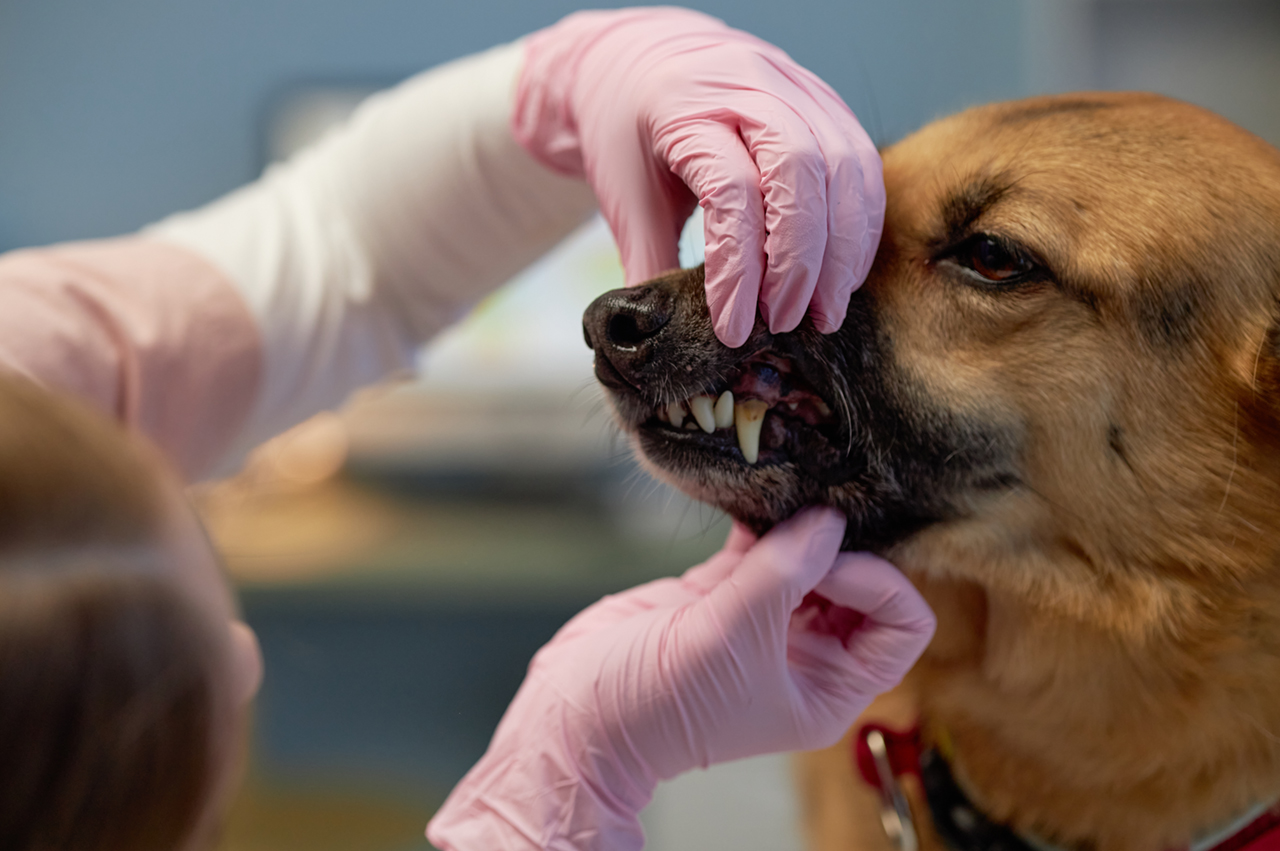
Here's the dental truth nobody tells you when you're signing up for pet insurance: most policies in Australia don't cover the dental treatment your pet is most likely to need.
By age three, around 80% of Australian dogs have some form of dental disease. Periodontal disease, tooth resorption, gingivitis — these are not rare conditions. They're the norm. And yet, most standard pet insurance policies either exclude dental illness entirely or bury it behind an optional add-on you didn't know to select.
The good news? A handful of insurers do offer meaningful dental cover — including treatment for dental disease, extractions, and in some cases even oral surgery. But the details matter enormously. This guide breaks down exactly which providers cover what, what it costs, and how to avoid paying for a policy that leaves you out of pocket at the dentist (your pet's dentist, anyway).
Last updated: May 2026
The Three Types of Pet Dental Cover in Australia
Before comparing providers, you need to understand the three distinct types of dental coverage — because insurers use them interchangeably in ways that can be misleading:
1. Accidental Dental Injury
What it is: A broken or fractured tooth caused by an external trauma — a car accident, a collision, biting something hard.
Who covers it: Almost every comprehensive policy. This is the "easiest" dental cover because it's clearly accident-based and easy to assess.
What to watch out for: Insurers may require proof of trauma. A fractured tooth found at a routine check-up — even if caused by a past incident — may be disputed.
2. Dental Illness (Disease)
What it is: Treatment for conditions like periodontal disease, gingivitis, tooth resorption, abscesses, and extractions required due to disease.
Who covers it: A minority of providers — typically through optional add-ons or comprehensive tiers. This is the cover that actually matters for most pets.
What to watch out for: Waiting periods (often 6 months for dental illness), sub-limits, and requirements for a recent vet dental check before claiming. Pre-existing dental disease will almost always be excluded.
3. Routine/Preventive Dental
What it is: Annual scale and polish, routine cleaning, preventive dental checks.
Who covers it: Almost nobody. Routine dental is generally considered "preventive care" and is excluded from illness policies. A very small number of wellness add-ons include it, but it's rare.
The bottom line: When a provider says they "cover dental," they almost always mean dental illness with conditions — not routine cleaning. Always read the Product Disclosure Statement (PDS).
Which Australian Pet Insurers Cover Dental? (2026 Comparison)
| Provider | Accidental Dental | Dental Illness | Routine Dental | Annual Dental Limit | Available via |
|---|---|---|---|---|---|
| Bow Wow Meow | ✅ | ✅ (add-on) | ❌ | Up to $2,000/yr | Booster Care add-on |
| Pet Circle | ✅ | ✅ (add-on) | ❌ | Included in add-on | 360° Care add-on |
| Knose | ✅ | ✅ (add-on) | ❌ | Included in add-on | Optional dental add-on |
| Fetch by Petbarn | ✅ | ✅ (with conditions) | ❌ | No sub-limit | Standard policy |
| RSPCA Pet Insurance | ✅ | ⚠️ Limited | ❌ | $2,000 per condition | Comprehensive plan |
| Budget Direct | ✅ | ⚠️ Limited | ❌ | Routine Care only | Routine Care add-on |
| Pets On Me | ✅ | ✅ (Deluxe plan) | ❌ | Included in Deluxe | Deluxe plan tier |
| Coles Pet Insurance | ✅ | ⚠️ Limited | ❌ | Sub-limits apply | Premium plan only |
⚠️ = covers some dental illness but with significant restrictions or sub-limits
Provider Deep Dives: Dental Coverage Explained
Bow Wow Meow — Best for Flexible Dental Add-On
Dental cover available via: Booster Care (optional add-on)
Annual dental limit: Up to $2,000 per year
Covers dental illness: ✅ Yes — specified dental conditions
Covers routine cleaning: ❌ No
Waiting period for dental: 6 months after Booster Care activation
Bow Wow Meow's main Nose-to-Tail policy covers accidental dental injuries as standard, but for dental disease — periodontal treatment, extractions, oral surgery — you'll need to add their Booster Care benefit. At up to $2,000 per year, it's one of the most generous dental illness limits in the market.
Booster Care also includes physiotherapy and behavioural therapies, which makes it reasonable value if you use the full benefit. The $2,000 dental limit resets annually, so for breeds prone to dental disease (more on that below), this could be worth its weight in gold.
The catch: A 6-month waiting period applies after adding Booster Care, and any pre-existing dental conditions won't be covered. If your dog already has periodontal disease, you'll need to declare it and it'll be excluded.
Best for: Owners of small breeds and brachycephalic dogs who want a proper dental illness safety net.
Get a quote from Bow Wow Meow →
Pet Circle Insurance — Best Bundled Value
Dental cover available via: 360° Care (optional add-on)
Annual dental limit: Included in 360° Care bundle
Covers dental illness: ✅ Yes — dental disease included
Covers routine cleaning: ❌ No
Waiting period for dental: 6 months
Pet Circle's 360° Care add-on bundles dental disease coverage with wellness benefits, making it a good option if you want to cover multiple bases. Dental illness — including periodontal disease and extractions — is explicitly included, which puts Pet Circle ahead of many competitors on this metric.
Pet Circle's core plans are competitively priced (starting from $71/month for a standard breed in Sydney), and 360° Care sits on top without dramatically inflating the premium for most breeds.
Best for: Owners who want dental cover bundled with broader wellness benefits rather than a standalone dental add-on.
Knose — Solid Dental Disease Add-On
Dental cover available via: Optional add-on
Annual dental limit: Included in add-on
Covers dental illness: ✅ Yes — dental disease included
Covers routine cleaning: ❌ No
Waiting period for dental: 6 months
Knose is one of the more transparent insurers in Australia when it comes to dental coverage. Their optional dental add-on explicitly covers dental disease, making them a reliable choice for owners prioritising dental illness coverage. Knose's base plans start competitively (annual limits up to $25,000), and the dental add-on integrates cleanly without complex eligibility conditions.
Best for: Owners who want straightforward dental illness cover without navigating complex policy tiers.
Fetch by Petbarn — Dental Cover Built In (With Conditions)
Dental cover available via: Standard comprehensive policy
Annual dental limit: No sub-limit
Covers dental illness: ✅ Yes — with conditions
Covers routine cleaning: ❌ No
Key condition: No prior dental disease AND vet dental check within the last 12 months
Fetch takes a different approach — dental illness is part of their standard policy rather than an add-on, but with a significant catch: your pet must have had a dental health check with a vet in the 12 months prior to the claim, and they must have no prior history of dental disease.
This means Fetch can be excellent value for pets with a clean dental history who get regular vet checks. But if your pet has existing dental issues or you've missed the annual check, claims may be denied.
Best for: Owners with young pets in good dental health who maintain regular vet visits.
RSPCA Pet Insurance — Moderate Dental Coverage
Dental cover available via: Comprehensive plan (standard)
Annual dental limit: $2,000 per condition
Covers dental illness: ⚠️ Limited — per-condition sub-limits apply
Covers routine cleaning: ❌ No
RSPCA's comprehensive plan includes dental illness cover, but with per-condition sub-limits of $2,000. For a single round of periodontal treatment, this might be enough. For complex oral surgery or ongoing dental disease management, it can fall short quickly.
RSPCA is underwritten by PetSure (the same underwriter as Bow Wow Meow and Fetch), which gives some consistency in claims handling. The RSPCA brand carries strong trust value in Australia, and a portion of your premium supports animal welfare programs.
Best for: Owners who want the RSPCA brand with basic dental illness cover included.
Budget Direct — Accident Dental Only (Standard Plans)
Dental cover available via: Accidental injury only in standard plans; Routine Care add-on for preventive
Annual dental limit: Routine Care budget only
Covers dental illness: ❌ Not in standard plans
Covers routine cleaning: ⚠️ Partially — Routine Care add-on provides a budget for dental-related expenses
Budget Direct is the cheapest pet insurance in Australia for most breeds, but that price comes with trade-offs. Standard plans cover accidental dental injuries but not dental disease or periodontal treatment. Their Routine Care add-on provides an annual budget that can be used across various preventive expenses including dental — but it's not designed as dental illness insurance.
If dental cover is your priority, Budget Direct is not the right insurer. If you're primarily focused on accident and serious illness cover with the lowest possible premium, Budget Direct remains the market leader.
Get a quote from Budget Direct →
How Much Does Pet Dental Treatment Cost in Australia?
Understanding why dental cover matters requires knowing what vet dental bills actually look like:
| Treatment | Average Cost (2026) |
|---|---|
| Routine dental scale & polish (with anaesthesia) | $300 – $600 |
| Single tooth extraction (simple) | $200 – $400 |
| Single tooth extraction (surgical/complex) | $400 – $800 |
| Multiple extractions | $600 – $2,000 |
| Periodontal treatment | $800 – $2,000 |
| Dental X-rays | $150 – $400 |
| Oral mass removal / oral surgery | $1,500 – $4,000+ |
| Severe periodontal disease (full treatment) | $2,000 – $5,000 |
The anaesthesia alone typically adds $200–$500 to any dental procedure. Unlike human dentistry, pets require general anaesthesia for virtually all dental work — they can't exactly hold still for a cleaning.
For a middle-aged dog with moderate periodontal disease, a single dental treatment episode can easily run $1,500–$3,000. If that happens twice — not uncommon for susceptible breeds — you're looking at $3,000–$6,000 in a year.
Which Breeds Are Most at Risk of Dental Disease?
Dental disease risk is heavily correlated with head shape and size. Some breeds are almost guaranteed to face dental problems — understanding this helps you decide whether dental cover is a priority for your specific pet.
Dogs: Highest Dental Disease Risk
Brachycephalic breeds (squashed faces, crowded teeth):
- French Bulldogs — crowded teeth, misaligned bite, high dental disease risk. Read our French Bulldog pet insurance guide →
- Pugs — same structural issues as Frenchies, near-universal periodontal disease by middle age. Read our Pug pet insurance guide →
- Cavalier King Charles Spaniels — small mouth with crowded teeth, high dental disease rates. Read our Cavalier pet insurance guide →
- Shih Tzus — often need dental cleanings annually from age 3+. Read our Shih Tzu pet insurance guide →
Small breeds (teeth too large for jaw size):
- Maltese, Chihuahuas, Toy Poodles, Miniature Schnauzers — small breeds consistently have worse dental health than large breeds. Jaw size means teeth crowd and trap plaque more easily.
Dachshunds:
- Prone to dental disease as well as their famous spinal issues. Read our Dachshund pet insurance guide →
Cats: Dental Disease Risk
Cats have their own unique dental condition: Feline Tooth Resorption (FTR), where the tooth literally dissolves from the inside out. It's painful, common, and requires extraction. Around 30–40% of cats develop FTR at some point.
Persian cats, Scottish Folds, and other flat-faced breeds have elevated dental disease risk due to crowded teeth.
What's Almost Never Covered: The Fine Print
Before you add dental cover to your policy, understand what even the best dental add-ons typically exclude:
Always excluded:
- Routine scale and polish (preventive, not illness)
- Dental work for pre-existing conditions (if your dog already had dental disease, it won't be covered)
- Teething-related issues in puppies
- Dental work arising from inadequate home dental care (some policies have this exclusion)
- Elective cosmetic dental procedures
Usually excluded:
- Dental illness diagnosed during the waiting period (6 months is common)
- Dental treatment for a condition your insurer deems "gradual onset" if you waited too long to treat
- Dental work at non-accredited veterinary practices (check your policy)
Grey areas:
- A tooth fracture found at a routine check-up: was it accidental (covered) or from gradual wear (not covered)? This is one of the most common dental claim disputes.
How to Choose Pet Insurance for Dental Cover
Step 1: Assess Your Pet's Risk
- Small breed or brachycephalic dog? Dental coverage should be a priority.
- Large breed, mixed breed, regular home dental care? Dental cover is less critical.
- Cat with flat face or over 5 years old? Tooth resorption risk is real — consider dental coverage.
Step 2: Start Before Problems Develop
The golden rule of pet insurance: insure before the condition exists. Once your pet has dental disease on their record, no insurer will cover it. The earlier you add dental cover, the better.
If you're getting insurance for a new puppy or kitten, add dental coverage from day one — before any dental issues appear on their history.
Step 3: Compare Total Cost, Not Just Premium
A policy with dental cover will cost more per month. But compare the total cost of the add-on against what you'd pay out-of-pocket for one or two dental treatments per year:
- Bow Wow Meow Booster Care add-on: approximately $15–$25/month extra
- One dental treatment without insurance: $600–$2,000
- Break-even: Roughly 2–3 years — or just one moderate dental treatment
For small breeds prone to dental disease, the math often favours the add-on.
Step 4: Check Waiting Periods
Don't add dental cover the week your vet mentions your dog's teeth are "a bit tardy." Most dental illness cover has a 6-month waiting period. Any condition noted before or during that window won't be covered.
Step 5: Read the PDS
Always download and search the Product Disclosure Statement for the word "dental." Count how many times it appears in the exclusions section versus the inclusions section. That ratio tells you everything.
Dental Care Tips to Reduce Your Claims (and Your Bills)
Even the best dental insurance shouldn't be your first line of defence. Good home dental care can dramatically slow the progression of dental disease:
-
Daily brushing — yes, you can brush your dog's teeth. Yes, most dogs will tolerate it if you start young. A soft-bristle dog toothbrush and pet-safe toothpaste can halve your dental vet bills over a lifetime.
-
Dental chews and toys — Veterinary Oral Health Council (VOHC)-approved products actually work. Look for the VOHC seal.
-
Raw meaty bones (for dogs) — nature's toothbrush. Consult your vet about appropriate size and type for your breed.
-
Water additives — enzymatic water additives can slow plaque buildup. Low effort, moderate effectiveness.
-
Annual dental checks — required by some insurers (like Fetch) to maintain dental coverage, and good practice regardless.
FAQ
Does pet insurance cover dental cleaning in Australia?
No — routine dental cleaning (scale and polish) is almost never covered by Australian pet insurance. It's considered preventive care rather than treatment of illness or injury. Some wellness add-ons include a small preventive dental budget, but it's not the norm. What some policies do cover is dental illness treatment — the treatment of actual dental disease like periodontal disease or extractions due to infection.
Which pet insurance covers dental illness in Australia?
As of 2026, the providers with the best dental illness coverage in Australia are Bow Wow Meow (via Booster Care add-on, up to $2,000/year), Pet Circle (via 360° Care add-on), Knose (via optional dental add-on), and Fetch by Petbarn (standard policy with annual vet check condition). RSPCA and Coles offer some dental illness cover with sub-limits in their comprehensive plans.
Is dental disease considered a pre-existing condition in pet insurance?
Yes. If your pet has been diagnosed with, treated for, or shown symptoms of dental disease before you take out insurance (or before the waiting period ends), it will typically be excluded as a pre-existing condition. This is why starting dental cover while your pet is young and healthy makes such a big difference.
How much does dog dental surgery cost in Australia?
A routine scale and polish under anaesthesia costs $300–$600. Extractions add $200–$800 per tooth depending on complexity. A full dental treatment for a dog with moderate periodontal disease can cost $1,500–$3,000 in total. Severe cases involving multiple extractions and oral surgery can reach $4,000–$5,000.
Does Budget Direct pet insurance cover dental?
Budget Direct covers accidental dental injuries (broken teeth from trauma) in their standard plans. They do not cover dental illness or periodontal disease in standard plans. Their Routine Care add-on provides an annual budget that can be used for preventive dental expenses, but it's not designed to cover dental disease treatment.
What is a dental waiting period in pet insurance?
A dental waiting period is the time between when you add dental cover and when you can make a dental illness claim. Most Australian insurers impose a 6-month waiting period for dental illness specifically. Accidental dental injuries typically have much shorter waiting periods (2 days is common). Any dental condition that develops or is diagnosed during the waiting period will be excluded from cover.
Do cats need dental pet insurance?
Cats have significant dental disease risk, particularly Feline Tooth Resorption (FTR) — a painful condition affecting 30–40% of cats where teeth deteriorate from the inside. Flat-faced breeds (Persians, British Shorthairs) are at higher risk due to crowded teeth. For cats over age 5 or flat-faced breeds, dental cover is worth considering.
Can I add dental cover to an existing pet insurance policy?
Yes — most providers with optional dental add-ons (Bow Wow Meow, Pet Circle, Knose) allow you to add dental coverage to an existing policy at renewal. The dental waiting period will apply from the date you add the cover, and any dental conditions already present will be excluded as pre-existing.
Bottom Line: Who Should Get Dental Pet Insurance?
Buy dental cover if:
- You have a small breed dog (Maltese, Shih Tzu, Pomeranian, Cavalier)
- You have a brachycephalic dog (French Bulldog, Pug, Bulldog)
- You have a cat over age 5
- Your pet's teeth aren't perfect but haven't been officially diagnosed with disease yet
- You're signing up for a puppy or kitten — start dental cover from day one
Skip dental cover if:
- Your pet already has documented dental disease (it'll be excluded anyway)
- You have a young, large-breed dog with good teeth and regular dental care
- Budget is tight and you'd rather redirect the premium to higher limits for accident and illness
For the majority of Australians with small breeds or flat-faced dogs, dental cover pays for itself within a few years. The key is acting before the problem develops — not after your vet's already handed you a treatment quote.
Affiliate disclosure: We may earn a commission when you click our links. This doesn't affect our ratings or recommendations. Always read the PDS before purchasing any insurance product. This article provides general information only and is not personal financial advice.
Last reviewed: May 2026