
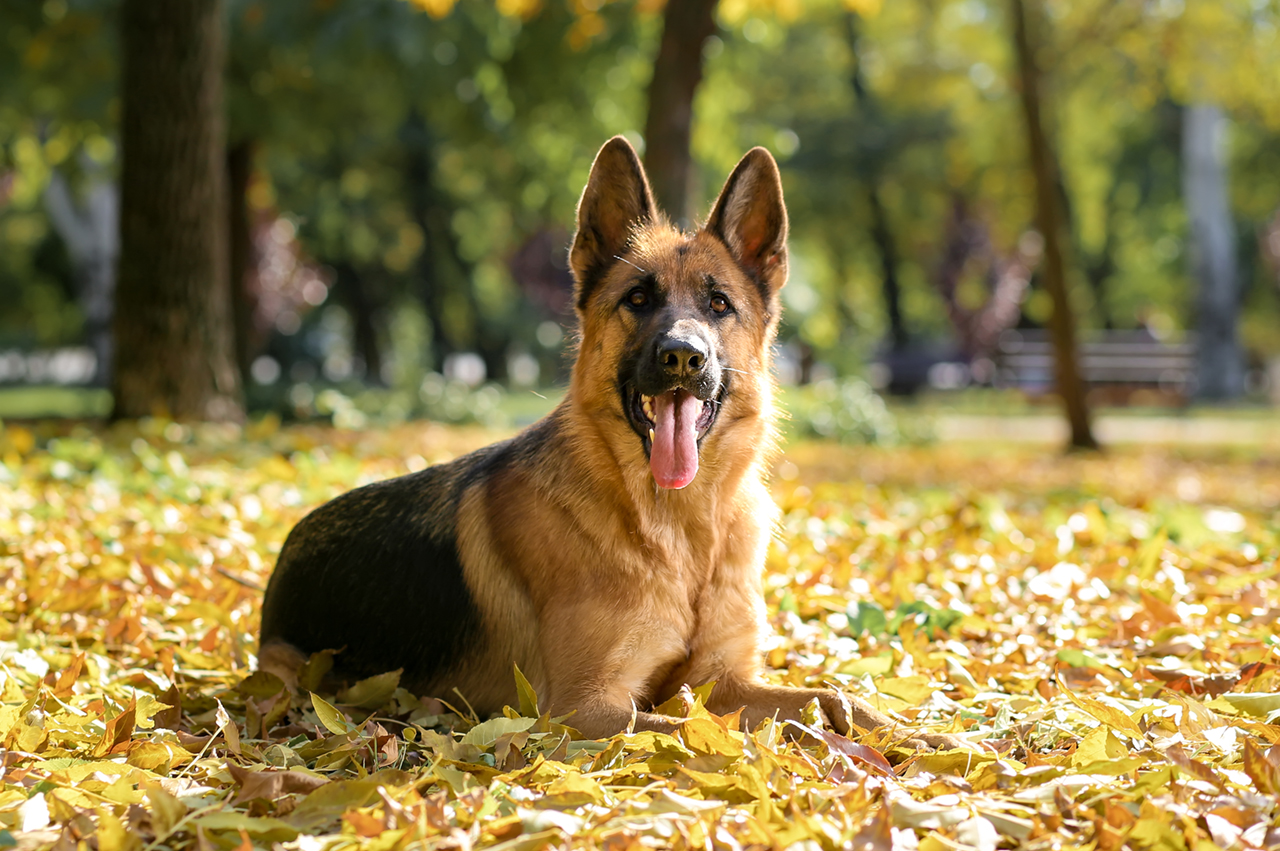
German Shepherds are Australia's quintessential working dog — intelligent, fiercely loyal, and built with the kind of athletic drive that makes them excel at everything from police work to backyard fetch. But that powerful, sloping frame comes at a cost. German Shepherds are the poster child for hip dysplasia, with studies suggesting up to 20% of the breed will be affected. And hip dysplasia is just the start. Between elbow dysplasia, degenerative myelopathy, bloat/GDV, and a heightened cancer risk, German Shepherd owners face potential vet bills that can reach $10,000–$15,000 for a single condition. With hip replacement surgery alone costing $7,000–$15,000 per hip, the right pet insurance isn't a luxury for GSD owners. It's a financial necessity.
We compared plans from Australia's major pet insurers, quoting for a 2-year-old German Shepherd in Sydney, to find the best value cover for this breed.
Last updated: July 2026
Quick Comparison: Top Providers for German Shepherds
| Provider | Monthly Est. | Annual Limit | Excess | Benefit % | Hip Dysplasia Covered | Waiting (Illness) | Our Take |
|---|---|---|---|---|---|---|---|
| Bow Wow Meow ⭐ | ~$135–185 | Up to $30,000 | $0–$500 | Up to 90% | ✅ Yes | 30 days | Best overall — $30,000 limit handles hip surgery + other conditions in the same year |
| PetInsuranceAustralia | ~$125–170 | Up to $20,000 | $0–$200 | Up to 80% | ✅ Yes | 30 days | 2 months free promo, strong breed knowledge |
| Petcover | ~$115–160 | Up to $20,000 | $100–$300 | Up to 80% | ✅ Yes | 30 days | Good mid-range value with flexible tiers |
| RSPCA Pet Insurance | ~$105–150 | Up to $20,000 | $0–$200 | Up to 80% | ✅ Yes | 30 days | Supports animal welfare, solid cover |
| Budget Direct | ~$90–130 | Up to $12,000 | $0 fixed | 80% | ✅ Yes | 30 days | Cheapest option, but $12K limit is tight for this breed |
⚠️ Premiums are estimates based on a 2-year-old desexed German Shepherd in Sydney (2000 postcode). Your actual quote will vary by age, location, and cover level. GSDs are a large breed, so expect premiums at the higher end of mid-range. Always get a personalised quote.
Why German Shepherds Need Comprehensive Insurance
German Shepherds are big, active dogs with a health profile that reads like a veterinary textbook. Unlike breeds where one condition dominates the picture (like skin allergies for Staffies), GSDs face a broad spectrum of expensive conditions — orthopaedic, neurological, digestive, and oncological. The bills come from multiple directions, and they come hard.
Common German Shepherd Health Issues & Typical Vet Costs
| Condition | What It Is | Typical Cost |
|---|---|---|
| Hip Dysplasia | Malformed hip joint causing pain, lameness, and arthritis — THE defining GSD health issue. May require total hip replacement. | $3,000–$15,000+ per hip |
| Elbow Dysplasia | Abnormal development of the elbow joint, causing forelimb lameness — often bilateral | $2,500–$7,000 per elbow |
| Degenerative Myelopathy (DM) | Progressive spinal cord disease causing hind-limb paralysis — no cure, similar to human ALS | $2,000–$5,000 (diagnosis + management) |
| Bloat / GDV (Gastric Dilatation-Volvulus) | Stomach fills with gas and twists — a life-threatening emergency requiring immediate surgery | $5,000–$12,000+ |
| EPI (Exocrine Pancreatic Insufficiency) | Pancreas fails to produce digestive enzymes — requires lifelong enzyme supplementation | $1,500–$3,000/year (ongoing) |
| Hemangiosarcoma | Aggressive blood vessel cancer affecting spleen, heart, or liver — GSDs are a high-risk breed | $5,000–$15,000+ |
| Perianal Fistulas | Painful, draining wounds around the anus — German Shepherds are disproportionately affected | $2,000–$6,000+ |
| Allergic Dermatitis | Skin allergies causing itching, hot spots, and ear infections | $1,000–$3,000/year (ongoing) |
| Osteoarthritis | Degenerative joint disease, often secondary to hip/elbow dysplasia | $1,000–$3,000/year (ongoing) |
The Hip Dysplasia Problem
This is what defines the breed's health profile. Hip dysplasia in German Shepherds isn't a freak occurrence — it's an expected risk that responsible owners must plan for. Decades of breeding for that characteristic sloped topline have left the breed vulnerable to malformed hip joints, and the consequences range from mild stiffness to complete immobility.
Treatment depends on severity:
- Conservative management (mild cases): pain medication, joint supplements, weight management, physiotherapy — $1,000–$3,000/year ongoing
- Femoral Head Ostectomy (FHO): $3,000–$5,000 per hip
- Triple Pelvic Osteotomy (TPO): $4,000–$6,000 per hip (young dogs only)
- Total Hip Replacement (THR): $7,000–$15,000 per hip — the gold standard, but extraordinarily expensive
- Rehabilitation & physiotherapy: $100–$200 per session, often 10–20 sessions required post-surgery
And here's the kicker: hip dysplasia is frequently bilateral. Your GSD may need surgery on both hips, potentially doubling the cost. A dog requiring bilateral total hip replacement is looking at $14,000–$30,000 — a figure that makes comprehensive insurance look like a bargain.
Bloat/GDV: The Silent Emergency
Deep-chested breeds like German Shepherds are at significantly higher risk of gastric dilatation-volvulus (GDV), commonly known as bloat. This isn't a minor stomach upset — GDV is a life-or-death emergency where the stomach fills with gas and rotates, cutting off blood supply. Without emergency surgery within hours, it's fatal.
GDV surgery typically costs $5,000–$12,000+, and there's no way to predict when (or if) it will happen. This is exactly the kind of catastrophic, unpredictable expense that insurance exists to cover.
Degenerative Myelopathy: The Heartbreaker
DM is a progressive neurological disease that gradually destroys the spinal cord, causing increasing hind-limb weakness and eventually paralysis. It's been compared to ALS in humans. German Shepherds are one of the breeds most commonly affected, and there is no cure. Management focuses on physiotherapy, mobility aids, and quality-of-life care — costs that accumulate over the 6–18 months the disease typically progresses.
Detailed Provider Reviews
Bow Wow Meow ⭐ Editor's Pick
Best for: High annual limit to handle hip surgery + other conditions in the same year
When your breed's defining health issue can cost $15,000 per hip, the $30,000 annual limit from Bow Wow Meow isn't just nice to have — it's the difference between covering your GSD's treatment and running out of benefits mid-year. German Shepherds often develop multiple conditions simultaneously (hip dysplasia plus arthritis, or bloat surgery followed by ongoing joint management), so headroom matters.
Key features:
- Annual limit: Up to $30,000 (highest among major AU insurers)
- Benefit percentage: Choose 60%, 70%, 80%, or 90%
- No sub-limits on specific conditions — your full annual limit applies
- GapOnly® claiming: Pay only the gap at the vet — ideal for ongoing physiotherapy and joint management visits
- myPetPass® included: 24/7 online vet access + discounts on pet meds
- Hereditary conditions covered (subject to PDS terms)
Waiting periods:
- Accident: 2 days
- Illness: 30 days
- Cruciate ligament: 6 months
- Pre-existing conditions: Not covered
Pros:
- $30,000 limit can absorb hip replacement surgery plus ongoing conditions in the same year
- No sub-limits means orthopaedic claims aren't capped separately
- GapOnly is excellent for frequent physiotherapy and rehabilitation appointments
- Covers hereditary conditions including hip and elbow dysplasia
Cons:
- Premium end of the market — GSDs already attract higher premiums as a large breed
- 6-month cruciate wait is standard but worth noting
Get a Quote from Bow Wow Meow →
Pet Insurance Australia (PIA)
Best for: Breed-specialist knowledge and promotional pricing
PIA is a family-owned Australian insurer with genuine breed expertise. Their 2 months free offer for new policies delivers meaningful savings — particularly welcome given that German Shepherd premiums are already on the higher side due to breed size. Their breed-specific health content shows real understanding of GSD conditions.
Key features:
- Annual limit: Up to $20,000
- Benefit percentage: Up to 80%
- Hereditary conditions covered (subject to PDS)
- Breed-specific content demonstrating deep knowledge of German Shepherd health risks
Pros:
- 2 months free promotional pricing offsets the large-breed premium
- Australian-owned and operated
- Good customer reviews
- Covers hereditary conditions including hip and elbow dysplasia
Cons:
- $20,000 limit could be tight if your GSD needs bilateral hip surgery — a single THR can consume most of it
- No GapOnly-style instant claiming
Get a Quote from Pet Insurance Australia →
Petcover
Best for: Good value mid-range cover with flexible tiers
Petcover delivers solid comprehensive cover at a competitive price point. With three plan tiers, you can scale your cover to match your budget. For GSD owners who want reliable protection without paying top-tier premiums, Petcover hits a sensible middle ground.
Key features:
- Annual limit: Up to $20,000
- Benefit percentage: Up to 80%
- Three plan tiers: Comprehensive, Standard, Accident Only
- Award-winning (Canstar, Finder)
Pros:
- Competitive pricing for large breeds
- Flexible plan tiers to match your budget
- Good claims history
Cons:
- Check PDS carefully for sub-limits on orthopaedic conditions and hereditary claims
- $20,000 limit may not fully cover bilateral hip surgery
RSPCA Pet Insurance
Best for: Supporting animal welfare while covering your German Shepherd
RSPCA-branded insurance (underwritten by Hollard) gives you comprehensive cover while supporting RSPCA programs. German Shepherds are one of the breeds most commonly surrendered to shelters when owners can't afford veterinary bills — supporting the RSPCA helps ensure those dogs find second chances.
Key features:
- Annual limit: Up to $20,000
- Benefit percentage: Up to 80%
- Portion of premium supports RSPCA
Pros:
- Supports animal welfare with every premium payment
- Solid comprehensive cover including hereditary conditions
- Good waiting period terms
Cons:
- Not the cheapest option for a large breed
- Limited online claiming tools compared to Bow Wow Meow
Get a Quote from RSPCA Pet Insurance →
Budget Direct
Best for: Lowest premiums if your GSD is young and healthy
Budget Direct offers the most affordable comprehensive cover for German Shepherds. However, the $12,000 annual limit is a genuine concern for this breed. A single hip replacement can cost $7,000–$15,000, and GDV surgery can hit $12,000 — meaning one major event could exhaust your entire annual limit. Budget Direct works best for younger GSDs where the focus is on building affordable cover early, with the option to upgrade later.
Key features:
- Annual limit: Up to $12,000
- Benefit percentage: 80%
- $0 excess option
- 15% online discount
Pros:
- Cheapest comprehensive option for German Shepherds
- No excess option available
- Simple, straightforward plans
- Good for building cover history early
Cons:
- $12,000 limit is genuinely inadequate for major GSD conditions — one hip replacement can consume the entire limit
- Fewer plan customisation options
- Check PDS for sub-limits on hereditary and orthopaedic conditions
Get a Quote from Budget Direct →
How We Compared These Plans
We evaluated each insurer based on criteria specifically relevant to German Shepherd owners:
- Annual limit headroom — the single most important factor for this breed. Hip replacement, GDV surgery, and cancer treatment all generate five-figure claims. Your limit needs to absorb them
- Hereditary condition coverage — hip dysplasia, elbow dysplasia, and DM all have strong hereditary components. This cover is non-negotiable
- Premium cost — balanced against what you actually get (GSDs are a large breed, so premiums are inherently higher)
- Waiting periods — especially for orthopaedic conditions and cruciate ligaments
- Claiming experience — ease of process, GapOnly availability (important for ongoing physiotherapy and management)
- Customer reviews — real German Shepherd owner experiences
All quotes were obtained for a 2-year-old desexed German Shepherd in Sydney (postcode 2000) in July 2026 on comprehensive/accident+illness cover.
What to Look for in German Shepherd Insurance
✅ Must-Haves
- Hereditary & congenital condition coverage — hip dysplasia, elbow dysplasia, and DM are all hereditary. Without this cover, you're missing the conditions your GSD is most likely to develop
- High annual limit ($20,000+ minimum) — a single hip replacement can cost $15,000. If your GSD needs bilateral surgery or develops multiple conditions, a low limit will leave you exposed
- Emergency surgery coverage — GDV/bloat is a life-threatening emergency costing $5,000–$12,000+. Your policy must cover emergency surgical intervention without delay
- Ongoing condition coverage — EPI, arthritis management, and allergy treatment generate recurring annual costs. Ensure your policy covers the same condition year after year
⚠️ Watch Out For
- Pre-existing condition exclusions — insure your German Shepherd young, ideally before hip/elbow X-rays reveal any abnormalities. Once dysplasia is documented, it's excluded forever. Read more about pre-existing conditions and pet insurance
- Bilateral condition exclusions — if your GSD is diagnosed with hip dysplasia in one hip, some insurers will exclude the other hip. Check the PDS carefully
- Sub-limits on orthopaedic or hereditary conditions — some policies cap orthopaedic claims at a fraction of the annual limit. For a breed where orthopaedic issues are the primary concern, this defeats the purpose
- Cruciate ligament waiting periods — typically 6 months across all insurers; GSDs are susceptible due to their size and activity level
- Premium increases with age — GSD premiums rise significantly as they age and develop joint conditions. Budget for annual increases of 10–20%
💡 Pro Tips for German Shepherd Owners
- Insure before 12 months old — hip and elbow dysplasia signs can appear as early as 6–12 months. Once your vet notes any joint abnormality, it's a pre-existing condition. Early cover is everything
- Prioritise annual limit over premium savings — a $20,000+ limit is essential for this breed. Saving $30/month on premiums means nothing if your $12,000 limit can't cover a single hip replacement
- Don't skip illness cover — accident-only policies won't cover hip dysplasia, DM, bloat, EPI, or cancer. The vast majority of GSD veterinary costs are illness-related
- Consider preventive gastropexy — some owners opt for a prophylactic gastropexy (stomach tacking) during desexing to prevent bloat/GDV. Check whether your policy covers this as a preventive procedure
- Ask about bilateral condition terms — before you commit, specifically ask your insurer: "If my dog is diagnosed with hip dysplasia in one hip, will the other hip be excluded?" Get the answer in writing
- Keep weight in check — excess weight accelerates joint deterioration. Keeping your GSD lean can reduce claims and help maintain lower premiums. Most insurers look favourably on well-managed dogs at renewal
What's Changed for German Shepherd Insurance in 2026
Halfway through 2026, the biggest shift for German Shepherd owners isn't the headline premium — it's what those premiums now have to absorb. Total hip replacement pricing at referral orthopaedic centres has continued to creep upward, with several Sydney and Melbourne specialists now quoting toward the upper end of the $7,000–$15,000 per hip range as implant and anaesthetic costs rise. That reinforces the case for a $20,000+ annual limit rather than a $12,000 one.
Two practical developments stand out this year. First, genetic screening for degenerative myelopathy (the SOD1 gene test) has become cheaper and more widely offered at the puppy stage — useful, but be aware that a positive DM gene result recorded in your vet file before you take out cover can be treated as a pre-existing risk by some insurers. Insure first, screen second where possible. Second, more insurers are now explicitly covering prophylactic gastropexy performed at desexing as a preventive measure against bloat/GDV — worth confirming in the current PDS, because for a deep-chested breed like the GSD it's one of the few genuinely preventable catastrophic risks.
How German Shepherds Compare to Other Breeds
German Shepherds sit in the moderate-to-high premium range — cheaper to insure than brachycephalic breeds like French Bulldogs (which carry extreme surgical risks) but more expensive than smaller, healthier breeds. Here's how they stack up:
| Breed | Monthly Premium Range | Primary Cost Driver |
|---|---|---|
| French Bulldog | $150–$220+ | BOAS surgery, spinal issues |
| Cavalier King Charles Spaniel | $140–$200+ | Heart disease (MVD) |
| German Shepherd | $90–$185 | Hip dysplasia, bloat/GDV |
| Golden Retriever | $120–$175 | Cancer (lymphoma, hemangiosarcoma) |
| Labrador Retriever | $100–$165 | Joint issues, obesity-related conditions |
| Staffordshire Bull Terrier | $85–$180 | Chronic skin allergies |
German Shepherds' premiums reflect their large size and orthopaedic predispositions, but they're not in the extreme-risk pricing tier. Comprehensive cover is absolutely achievable for most GSD owners.
Frequently Asked Questions
How much does pet insurance cost for a German Shepherd in Australia?
Expect to pay between $90 and $185 per month ($1,080–$2,220/year) for comprehensive cover, depending on your dog's age, location, and the plan you choose. German Shepherds are a large breed with significant hereditary health risks, placing them in the moderate-to-high premium range. Premiums increase notably after age 5 as joint conditions become more prevalent.
Does pet insurance cover hip dysplasia for German Shepherds?
Yes — most comprehensive policies cover hip dysplasia as a hereditary condition, provided it's first diagnosed after the policy's waiting period (typically 30 days for illness). This is why insuring your GSD as a puppy is critical — once any joint abnormality is noted by your vet, it becomes a pre-existing condition exclusion. Some policies have sub-limits on orthopaedic or hereditary claims, so check the PDS carefully.
Does pet insurance cover bloat/GDV surgery?
Yes — GDV surgery is covered as an emergency illness or surgical claim under comprehensive policies. Given that bloat is unpredictable and immediately life-threatening, this is one of the strongest arguments for insuring your German Shepherd. Emergency GDV surgery typically costs $5,000–$12,000+, and without insurance, the financial pressure can force impossible decisions during an already terrifying situation.
Is pet insurance worth it for a German Shepherd?
Absolutely. German Shepherds face a wide range of expensive conditions — hip dysplasia ($7,000–$15,000 per hip), GDV surgery ($5,000–$12,000), cancer treatment ($5,000–$15,000+), and ongoing management for conditions like EPI and arthritis. A single major condition can cost more than a lifetime of premiums. For a comprehensive analysis, see our guide on whether pet insurance is worth it.
What's the best age to insure a German Shepherd?
As early as possible — most insurers accept puppies from 8 weeks. Hip and elbow dysplasia signs can appear from 6–12 months of age, and once documented by a vet, they become permanent exclusions. The ideal window is 8 weeks to 6 months — before any joint screening or vet notes could flag a pre-existing condition.
Does pet insurance cover degenerative myelopathy (DM)?
Yes — DM is covered as an illness under comprehensive policies, provided it's diagnosed after the waiting period. While there's no cure for DM, insurance can cover diagnostic testing (including genetic screening), physiotherapy, mobility aids like wheelchairs, and ongoing management. Costs typically range from $2,000–$5,000 over the course of the disease.
Can I get pet insurance if my German Shepherd already has hip dysplasia?
You can still get insurance, but existing hip dysplasia will be excluded as a pre-existing condition. Be aware that some insurers may also exclude related conditions (arthritis in the affected joints, the other hip). The policy will still cover everything else — bloat, cancer, EPI, accidents, and other illnesses. Some cover is always better than none.
What's the average lifespan of a German Shepherd?
German Shepherds typically live 9–13 years in Australia, with most averaging around 10–11 years. This is shorter than many medium-sized breeds, partly due to their susceptibility to cancer and degenerative conditions. The relatively shorter lifespan means total lifetime premiums are lower than for longer-lived breeds — but the intensity and cost of conditions during those years is higher.
Are German Shepherds considered a restricted breed for insurance?
No. German Shepherds are not a restricted breed in any Australian state or territory and are fully insurable with all major pet insurance providers without breed-specific restrictions or surcharges. They're one of Australia's most popular breeds and widely accepted by all insurers.
The Bottom Line
For German Shepherd owners, Bow Wow Meow is our top recommendation. The $30,000 annual limit is the critical differentiator — when your breed's defining health issue (hip dysplasia) can cost $7,000–$15,000 per hip, and GDV surgery can add another $5,000–$12,000, you need a limit with genuine headroom. The no sub-limits policy and GapOnly claiming (excellent for ongoing physiotherapy and joint management) complete the picture.
If budget is a concern, Pet Insurance Australia (with their 2-months-free promo) or RSPCA Pet Insurance offer solid cover at a lower price point. Be cautious with Budget Direct's $12,000 limit — it's simply too tight for a breed where single conditions routinely generate five-figure bills.
The single most important thing: insure your German Shepherd before any joint issues are documented. Hip and elbow dysplasia signs can appear from 6 months of age. Once it's in your vet records, it's pre-existing — and for a German Shepherd, that's the one category of conditions you most need covered. Get your puppy insured early, and keep the policy active. Future you will be grateful.
Related breed guides:
- Best Pet Insurance for Staffordshire Bull Terriers
- Best Pet Insurance for Labradors
- Best Pet Insurance for Golden Retrievers
- Best Pet Insurance for French Bulldogs
- Best Pet Insurance for Cavalier King Charles Spaniels
Pet Cover Guide is reader-supported. When you click our links, we may earn a commission at no extra cost to you. This doesn't influence our ratings — we recommend what we'd choose for our own pets. Read our full editorial policy.
Disclaimer: This article is general information only and does not constitute financial advice. Always read the Product Disclosure Statement (PDS) before purchasing any insurance product.